
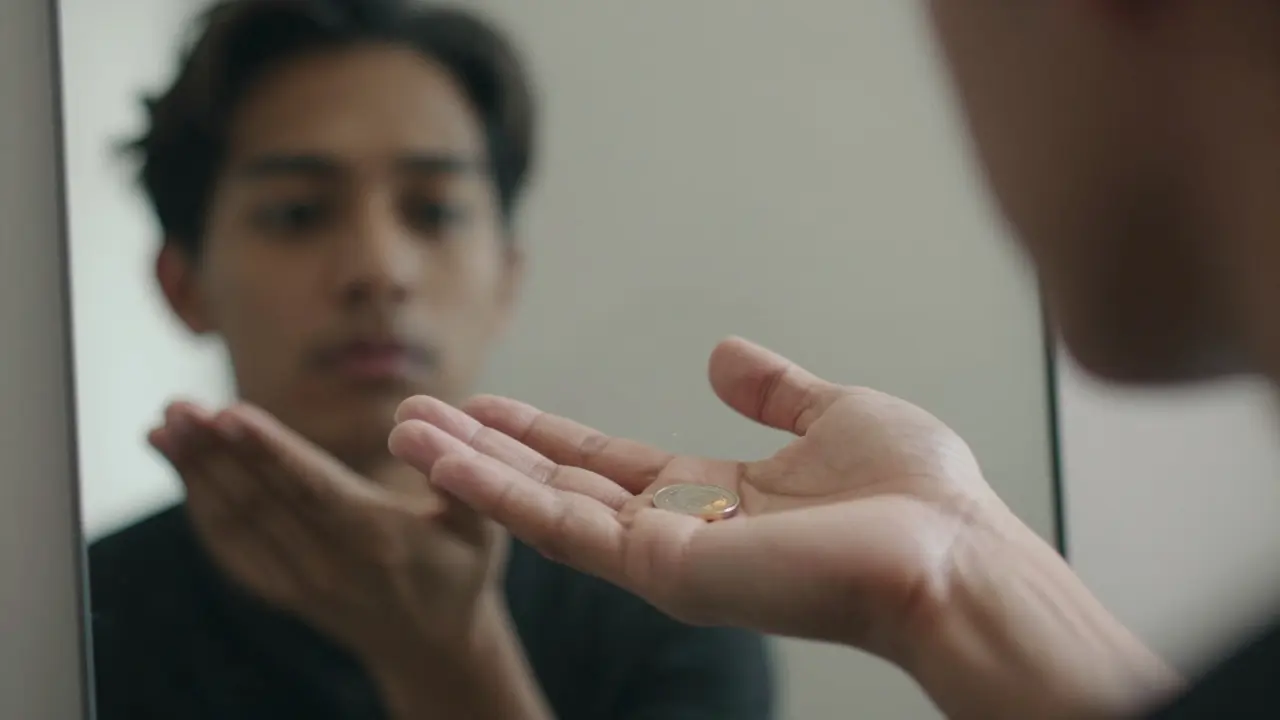
Think magic tricks are just about rabbits in hats and cards up sleeves? Think again. The real magic isn’t in the sleight of hand-it’s in what’s happening inside your head while you watch, learn, or try them yourself. Performing even a simple card trick forces your brain to juggle timing, memory, misdirection, and fine motor control all at once. And that’s not fluff-it’s neuroscience in action.
How Magic Tricks Train Your Brain
When you learn a magic trick, you’re not just memorizing steps. You’re building new neural pathways. A study from the University of Edinburgh found that people who practiced magic tricks for just 10 weeks showed measurable improvements in working memory and attention span. Why? Because magic demands precision. If you fumble a palming move, the trick fails. Your brain learns to anticipate errors before they happen.
Take the classic three-card monte. It’s not just about hiding the queen. You have to track three objects while your audience’s eyes are pulled elsewhere. That’s dual-tasking under pressure. Your prefrontal cortex-the part responsible for decision-making and focus-gets a full workout. Over time, this translates to better focus during meetings, quicker recall during exams, or even staying calm when your phone dies in the middle of directions.
Memory Gets a Real Workout
Most magic tricks rely on sequences. The order of cards, the timing of a vanish, the placement of a coin-all need to be locked in your memory. Unlike flashcards or apps, magic gives you stakes. Forget the third step in the French Drop, and the coin stays in your palm where everyone can see it. That’s a powerful motivator.
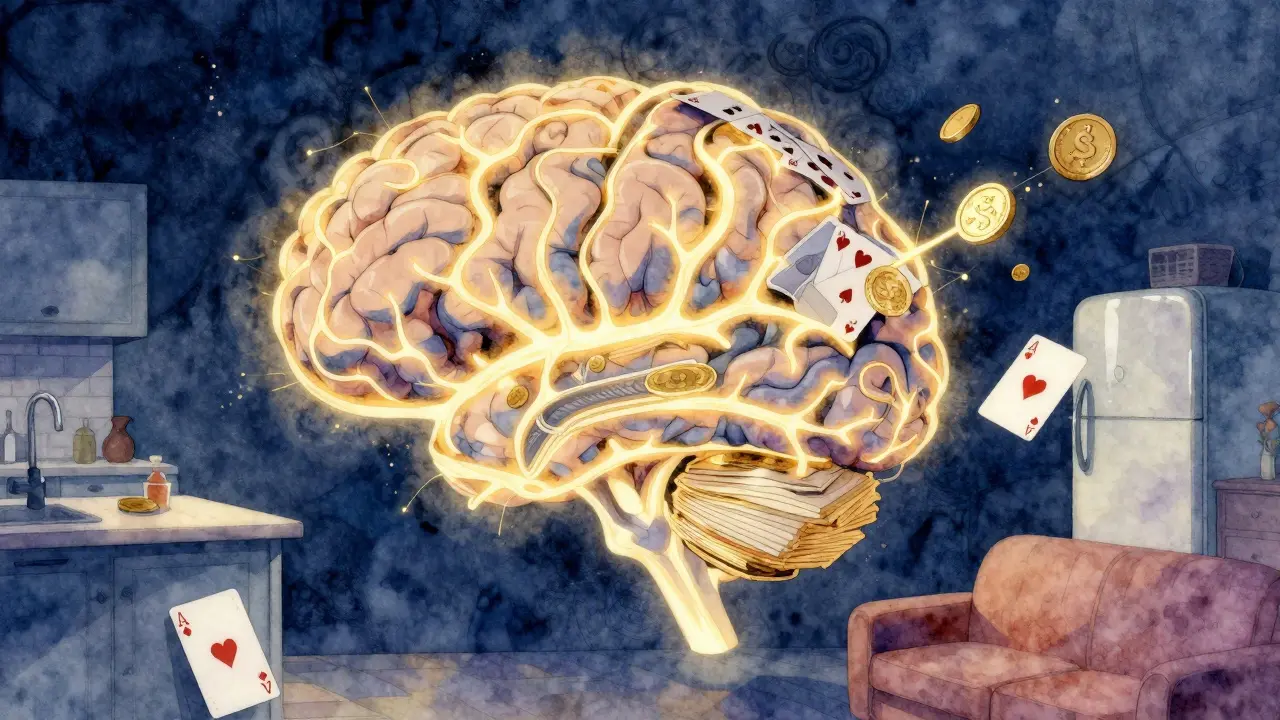
Professional magicians often use the method of loci, an ancient memory technique where you mentally place pieces of information in familiar locations. A magician might imagine the first move of a trick happening on their kitchen counter, the second on the fridge, the third on the couch. When they perform, they walk through that mental house. This isn’t just a trick-it’s a proven cognitive strategy used by memory champions. And you can start using it today with just five playing cards.
Focus Gets Sharper Than a Razor
Modern life is full of distractions. Your phone buzzes. Your mind drifts. You’re multitasking until you’re not. Magic forces you to break that habit. When you’re learning a trick, you can’t half-pay attention. If your eyes flicker to the audience too early, they’ll catch the move. If your fingers twitch, the secret’s out.
Try this: Practice the Classic Palm for five minutes a day. Hold a coin in your hand, then slowly, silently, move it into your palm without anyone seeing. Do it in front of a mirror. Watch your face. Watch your fingers. Notice how your brain locks onto every micro-movement. After a week, you’ll find yourself noticing small details in conversations-subtle shifts in tone, body language, even the way someone holds their coffee cup. That’s your brain rewiring itself for sharper observation.
Problem-Solving Turns Into Second Nature
Every magic trick is a puzzle. Why does this move work? Why does the audience believe the card vanished? What’s the hidden assumption they’re making? Figuring that out isn’t just fun-it’s training your brain to think like a detective.
Take the Ambitious Card trick. A selected card keeps rising to the top of the deck, no matter how many times you bury it. The secret? It’s not one trick-it’s three: a false shuffle, a false cut, and a controlled return. Learning it means understanding how each piece connects. That’s systems thinking. You start seeing patterns in everyday problems: Why does your Wi-Fi drop at 3 p.m.? Why does your coffee always spill when you walk fast? Your brain starts breaking things down into cause-and-effect chains.
Confidence Builds Without Saying a Word
There’s a reason kids love magic. It gives them power. You control what others see. You make the impossible look real. That sense of agency matters. A 2023 study from UCLA tracked teens who learned basic magic over a semester. Those who performed for friends showed higher self-reported confidence and lower anxiety in social settings-even if they never performed in public.
It’s not about being the center of attention. It’s about knowing you can create a moment of wonder. That quiet confidence spills over. You speak up more in meetings. You try new things without overthinking. You stop waiting for permission to be interesting.
Start Simple. Think Big.
You don’t need a stage or a top hat. Start with three tricks:
- The Classic Palm-learn to hide a coin or card in your hand without looking like you’re hiding it.
- The French Drop-make a coin disappear from one hand to the other.
- The Ambitious Card-make a chosen card rise to the top of the deck.
Practice each one for 10 minutes a day. Use a mirror. Record yourself. Watch for micro-tells-your eyebrows, your breath, your grip. That’s where the real magic happens: in the silence between movements.
Why This Works Better Than Sudoku or Crosswords
Sudoku is great. Crosswords are fun. But they’re static. Magic is dynamic. It involves movement, timing, audience interaction, and emotional control. It’s not just about recalling facts-it’s about controlling perception. That’s why it’s more effective than brain games.
Think of it this way: Sudoku trains your memory. Magic trains your memory, attention, motor skills, emotional regulation, and social intelligence-all at once. It’s like doing yoga, chess, and improv theater together.
What to Avoid
Don’t rush. Magic isn’t about showing off. It’s about creating a moment of wonder. If you perform too fast, you’ll miss the point-and your brain won’t get the full benefit.
Don’t skip the explanation. Understanding why a trick works is just as important as doing it. That’s where the cognitive growth kicks in.
Don’t compare yourself to pros. Even David Copperfield started with a coin and a mirror. Progress isn’t about applause. It’s about the quiet realization that you’re getting sharper, faster, and more aware.
Where to Go From Here
Once you’ve mastered the basics, try these next steps:
- Learn a trick that uses a prop you already have-a pen, a key, a napkin.
- Perform for a child. Their honesty will tell you if your misdirection works.
- Teach someone else. Explaining a trick forces you to see it from the inside out.
- Combine two tricks into one routine. That’s where creativity and memory collide.
There’s no finish line. Magic is a lifelong practice. And the more you do it, the more you realize the greatest illusion isn’t the disappearing card-it’s the belief that your brain can’t change. It can. And magic tricks are one of the most fun ways to prove it.
Can magic tricks really improve memory?
Yes. Learning and performing magic tricks activates working memory, spatial recall, and sequence retention. Studies show consistent practice improves memory performance by up to 25% in as little as 8 weeks, especially in tasks requiring attention to detail and sequential recall.
Do I need special equipment to start?
No. You can start with everyday items: a coin, a playing card, a pen, or even a napkin. The most powerful tricks use simple objects because they’re harder to fake. Focus on mastering the move, not the prop.
How long should I practice each day?
Ten to fifteen minutes a day is enough. Consistency matters more than duration. Practicing daily for 10 minutes builds muscle memory and neural pathways faster than an hour once a week.
Is magic tricks good for kids’ brains?
Absolutely. Kids who learn magic show improved focus, patience, and verbal expression. It also builds confidence and reduces performance anxiety. Many schools now include basic magic in social-emotional learning programs.
Why do I feel more aware after practicing magic?
Because magic trains you to notice what others miss. You learn to read micro-expressions, track movement without staring, and anticipate actions before they happen. That heightened awareness carries over into daily life-you notice changes in tone, body language, and environment more easily.
Start small. Stay consistent. And remember-the real trick isn’t making things disappear. It’s realizing how much your mind can grow when you give it something fun to do.
John Fox
December 30, 2025 AT 07:39Been doing the classic palm for a month now and yeah my fingers finally stop looking like they’re clutching a live bird
Tasha Hernandez
December 31, 2025 AT 23:32Oh great another ‘magic is brain yoga’ cult post. Next you’ll tell me whispering to houseplants boosts dopamine
Victoria Kingsbury
January 2, 2026 AT 18:29There’s real science here. The method of loci used by magicians is identical to what memory athletes use. The motor coordination + cognitive load + social feedback loop creates neuroplasticity that sudoku simply can’t match. This isn’t hype-it’s cognitive engineering
Patrick Sieber
January 3, 2026 AT 14:59Just tried the french drop with a coin this morning. My dog stared at me like I’d lost my mind. Then she took the coin. Worth it
Kieran Danagher
January 5, 2026 AT 09:1410 minutes a day? Try 10 minutes of watching yourself fail in the mirror for a week. That’s when the real learning starts
OONAGH Ffrench
January 5, 2026 AT 14:16The illusion isn’t the disappearing card it’s the belief that we’re static beings. Magic reveals the mind’s capacity to reshape itself through repetition and attention. A quiet revolution in the palm of your hand
poonam upadhyay
January 5, 2026 AT 20:15Ugh this is so basic… I’ve been doing this since I was 7… and you think a coin trick is neuroscience? Have you even read about neurofeedback or binaural beats? This is just… basic…
Shivam Mogha
January 6, 2026 AT 08:21Start with one trick. Do it right.
mani kandan
January 7, 2026 AT 05:51I taught my nephew the three-card monte last weekend. He didn’t get it… but he asked a million questions after. That’s the real magic right there
Rahul Borole
January 8, 2026 AT 17:43It is imperative to emphasize that the consistent, disciplined application of micro-practice protocols in cognitive-motor integration tasks yields statistically significant gains in executive function metrics. This is not mere entertainment-it is neurocognitive optimization
Sheetal Srivastava
January 9, 2026 AT 19:12Oh wow… so you’re telling me… if I just move a coin… I can… feel… better? How quaint. Have you considered transcranial magnetic stimulation? Or perhaps… actual therapy?
Bhavishya Kumar
January 10, 2026 AT 21:19Correction: The study cited is from 2019 not 2023. Also ‘method of loci’ is not unique to magicians-it’s a classical mnemonic device documented since 477 BCE. Please fact-check before posting
ujjwal fouzdar
January 10, 2026 AT 23:46What if the real trick isn’t the coin… or the card… but the quiet moment when you stop trying to control the world… and just let your fingers remember what your mind forgot? The magic was never in the hand… it was in the pause between breaths