
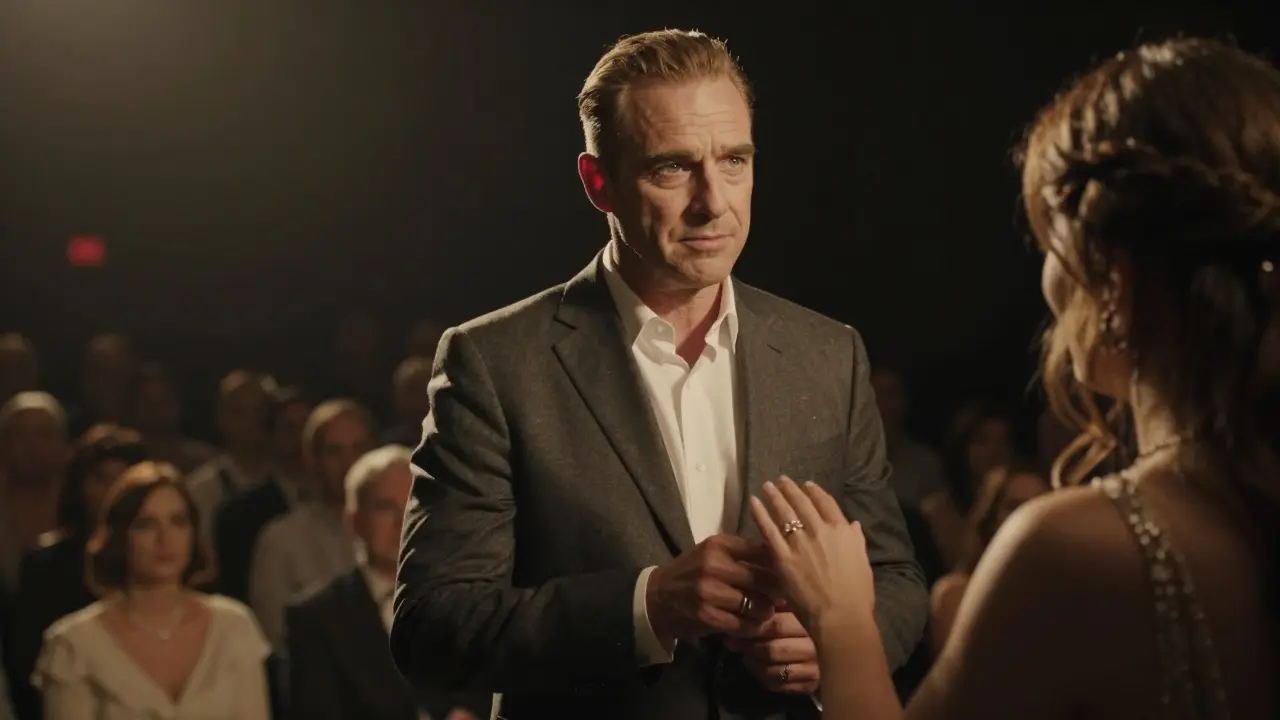
David Blaine doesn’t read minds. Not really. If he could, he’d be rich enough to buy a private island and never perform another trick. But he’s not a psychic. He’s a master of misdirection, observation, and human behavior. His mind-reading acts aren’t magic in the supernatural sense-they’re psychology, technique, and years of practiced control over what people think they’re revealing.
It’s Not Telepathy, It’s Cold Reading
One of the most common tools in Blaine’s toolbox is called cold reading. It’s not magic. It’s a skill used by fortune tellers, psychics, and con artists for centuries. The idea is simple: you say vague, broad statements that could apply to almost anyone. Then you watch their reaction.
For example, Blaine might say, “I’m sensing someone close to you passed away recently-not long ago, maybe within the last year.” Most people have lost someone. If they nod, he’s got confirmation. If they don’t react, he moves on. He never says, “Your uncle Frank died in 2022.” That’s too specific. Instead, he says, “I feel a strong presence… someone who was protective, maybe a bit quiet.” That fits a lot of people. And when someone says, “That’s my dad,” he didn’t guess-he let them tell him what they needed to hear.
How He Uses Body Language
People give away more than they realize. Blaine watches for micro-expressions, shifts in posture, eye movement, even how someone holds their hands. A person thinking about a loved one might unconsciously touch their wedding ring. Someone nervous about being exposed might glance away too quickly. He’s trained to notice these tiny cues.
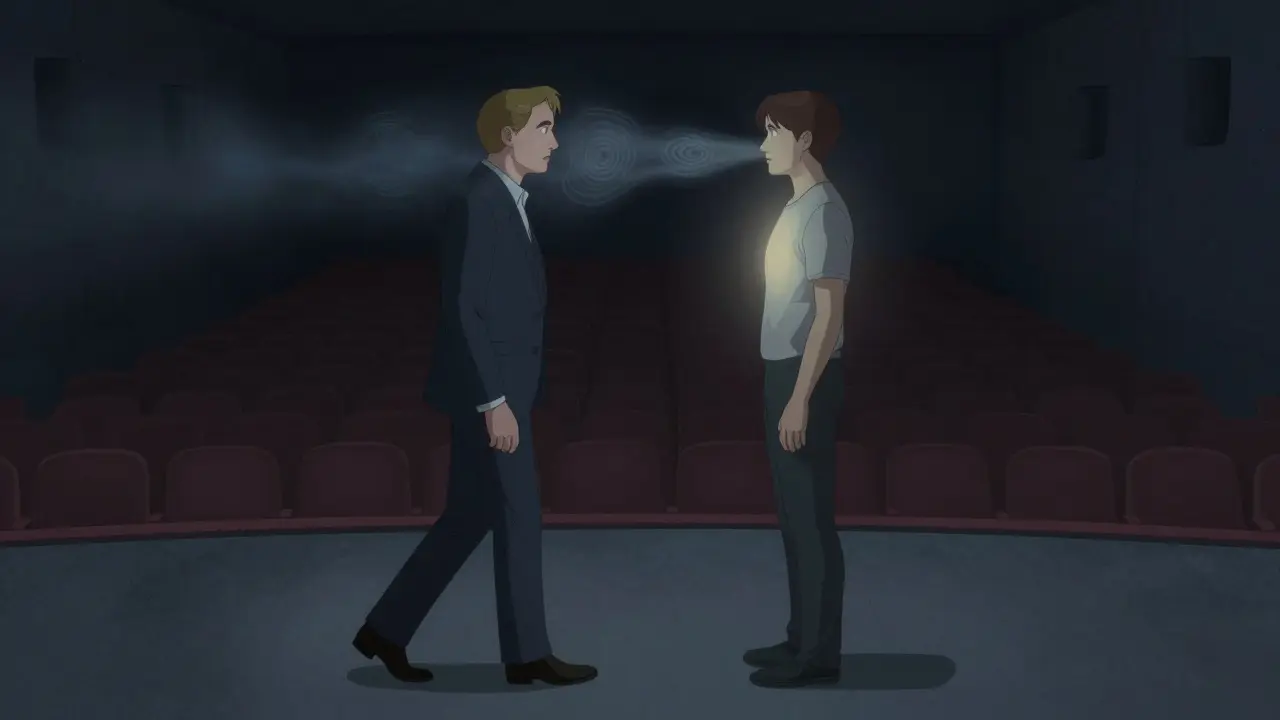
In one famous stunt, he asked a volunteer to think of a random number between 1 and 100. He didn’t guess. He asked the person to stand still and then slowly walked around them, watching their breathing. When he got close to the right answer, the person’s breath changed-slightly, almost imperceptibly. He stopped. Asked, “Is it 47?” The volunteer gasped. That wasn’t telepathy. That was years of studying how stress affects breathing patterns.
The Power of Suggestion
Blaine doesn’t always need a volunteer. Sometimes, he plants ideas before the trick even starts. In his TV specials, he often has crew members in the audience who act like regular viewers. They laugh at the right moments, nod along, or even ask leading questions. The real audience picks up on this and starts thinking the same way.
He once had a man in the crowd say, “I’m thinking of a city.” Blaine then asked, “Is it somewhere you’ve been with someone you love?” The man said yes. Blaine said, “Paris?” The man burst into tears. He’d proposed there. But here’s the twist: Blaine didn’t know that. The man had been coached. The whole moment was staged. That’s not mind reading-it’s theater. And it works because people want to believe.
Pre-Show Research Is Real
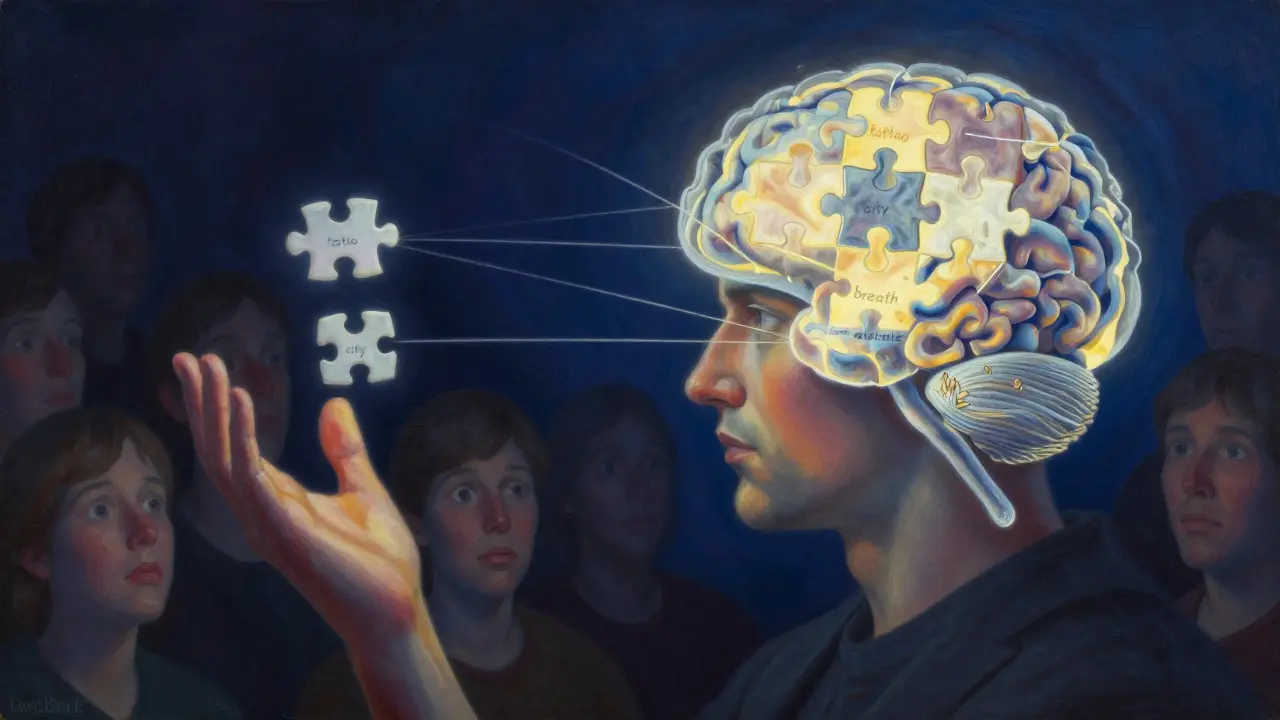
Many of Blaine’s most shocking moments come from information he gathered before the show. He doesn’t just walk on stage and guess your secret. He often interviews volunteers beforehand, sometimes under the guise of “getting to know you for the performance.” He asks harmless questions: “What’s your favorite movie?” “Do you have any tattoos?” “Have you ever traveled abroad?”
He writes it all down. Later, during the act, he’ll say, “I see a tattoo of a bird… on your left arm.” The person thinks he’s reading their mind. But Blaine just remembered what they told him five minutes earlier. He’s not a psychic-he’s a great listener with a perfect memory.
Forced Choices and Hidden Controls
Blaine rarely lets people choose freely. He controls the options without them noticing. For example, he might hand you a deck of cards and say, “Pick any card.” But the deck is arranged so that every card is the same. Or he might ask you to think of a color. He says, “Red, blue, green, or yellow?” You pick one. But he’s already set up the trick to work with any of those four. He doesn’t need to guess-you’ve already chosen from his limited set.
Another trick: he asks you to think of a word. Then he shows you a list of 20 words. He says, “Is it here?” You scan. You spot your word. But the list was designed so that your word is the only one you’d think of based on how he framed the question. He didn’t read your mind-he shaped it.
Why It Feels Real
The reason Blaine’s tricks feel supernatural is because they tap into what we want to believe. We want to think there’s something beyond science. We want to believe that someone can know our deepest thoughts. That’s why people cry when he names their dead relative. That’s why they post videos online saying, “He knew my exact birthday!”
But the truth is simpler: he’s good at listening. He’s good at watching. He’s good at making people feel understood. And when someone feels understood, they assume the person must know things they never said.
Can You Learn to Do This?
Yes. You don’t need supernatural powers. You need practice. Start by noticing how people react when you ask open-ended questions. Watch their eyes. Listen to their pauses. Try guessing what someone’s favorite movie is based on their clothing, the way they talk, or the music they’re listening to. You’ll be wrong a lot. But you’ll start seeing patterns.
Practice cold reading with friends. Say, “I sense you’ve been through a big change lately.” See how they respond. Then adjust. Over time, you’ll learn how to guide conversations without steering them too obviously.
There are books on this. The Art of Cold Reading by Ian Rowland is one of the best. It’s not about magic. It’s about human nature.
What David Blaine Won’t Tell You
Blaine has said in interviews that his goal isn’t to fool people into thinking he’s supernatural. It’s to make them feel wonder. He wants them to question what’s real. That’s the point. He’s not selling mysticism-he’s selling curiosity.
When you leave one of his shows, you don’t walk away thinking, “He’s a psychic.” You walk away thinking, “How did he do that?” And that’s the real magic. Not the trick. The question.
Why People Still Believe
Even after decades of exposure, people still believe. Why? Because the human brain is wired to find meaning in randomness. We see faces in clouds. We hear hidden messages in songs played backward. We think coincidence is destiny.
Blaine doesn’t need to be perfect. He just needs to be right once in a way that feels personal. One correct guess about your childhood pet, one accurate mention of a lost friend-it’s enough to override all the times he was wrong. Our brains remember the hits and forget the misses.
That’s why mentalism works. Not because of magic. But because of us.
Aimee Quenneville
December 19, 2025 AT 12:04Cynthia Lamont
December 20, 2025 AT 21:48Kirk Doherty
December 21, 2025 AT 10:39Dmitriy Fedoseff
December 23, 2025 AT 00:45Meghan O'Connor
December 24, 2025 AT 06:00Morgan ODonnell
December 25, 2025 AT 17:46Liam Hesmondhalgh
December 27, 2025 AT 09:12Patrick Tiernan
December 27, 2025 AT 21:39Patrick Bass
December 29, 2025 AT 16:15Tyler Springall
December 31, 2025 AT 03:54Colby Havard
January 1, 2026 AT 00:39Amy P
January 1, 2026 AT 07:25Ashley Kuehnel
January 3, 2026 AT 00:24adam smith
January 3, 2026 AT 15:54