
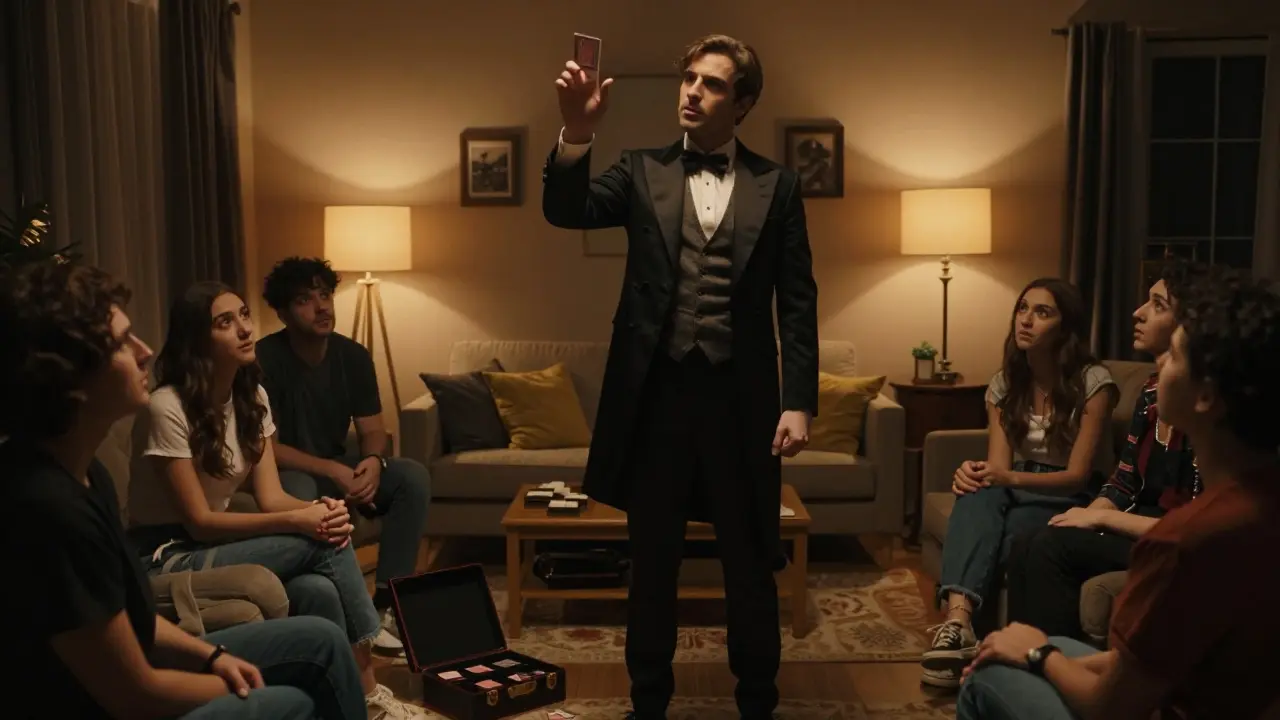
Ever bought a magic trick kit, opened the box, practiced the move ten times, and then stood in front of your friends-only to have the whole thing fall apart? You weren’t bad. You just skipped the first rule of magic.
The First Rule of Magic Isn’t About Sleight of Hand
Most people think magic is about dexterity. Finger flips. Hidden compartments. Misdirection. But the real secret? It’s not in your hands. It’s in your mind.
The first rule of magic is: Never tell the audience how it’s done. Not even a hint. Not even after they beg. Not even if they’re your best friend.
This isn’t about keeping secrets for the sake of mystery. It’s about control. If you give away the method-even a little-you break the spell. Magic isn’t about tricks. It’s about belief. And belief dies the moment someone knows how it works.
Why Magic Kits Teach the Wrong Thing
Most magic trick kits are designed like instruction manuals. Step 1: Pull the card. Step 2: Secret switch. Step 3: Say this line. Step 4: Applause.
But here’s the problem: they assume you’ll perform exactly as written. They don’t prepare you for what happens when someone says, “Wait, how did you do that?” or “I saw you move your thumb.”
Real magic doesn’t happen in a textbook. It happens in the split second after the audience realizes something impossible just occurred-and before they can figure out how.
That’s why so many people quit after their first attempt. They followed the steps perfectly. The trick worked. But then someone asked, “How?” and they answered. And just like that, the magic vanished.
The Psychology Behind the Rule
There’s science behind why this rule works. A 2018 study from the University of Edinburgh found that audiences remember magic tricks as more impressive when they couldn’t explain them-even if they saw the method clearly.
Our brains hate uncertainty. When something defies logic, we don’t look for answers. We look for meaning. We feel wonder. We laugh. We gasp. We remember it.
But the moment we understand how it happened? Our brains switch from “Wow” to “Oh, that’s just a trick.” The emotional impact disappears.
That’s why professional magicians never explain. Not even to their apprentices. Not even to their kids. They teach the performance, not the method. The method is a tool. The performance is the art.
What to Do Instead of Explaining
So what do you say when someone asks, “How did you do that?”
You don’t say: “I used a double lift.”
You don’t say: “The card was in my sleeve.”
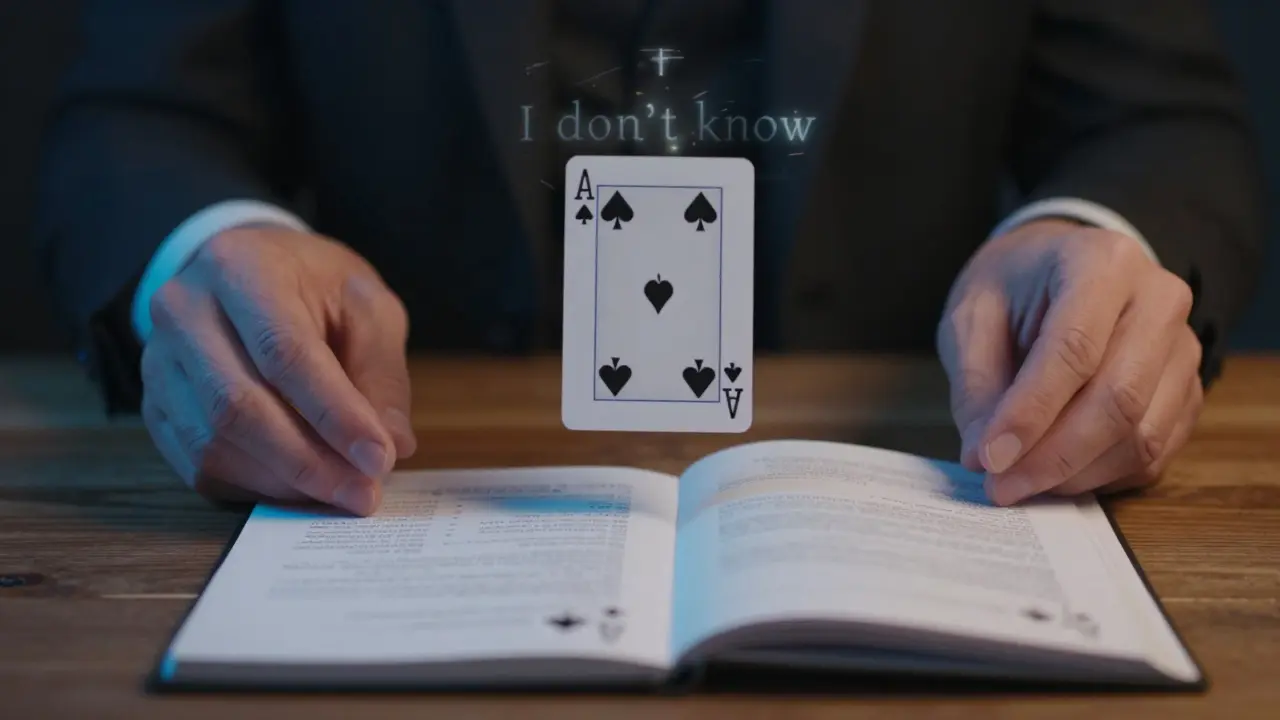
You say: “I don’t know. I’ve been doing this for years, and I still don’t know how I do it.”
Or better yet: “I’m not telling. But I’ll let you try it next time.”
These responses do three things:
- They preserve the mystery.
- They make the audience feel special-you’re letting them in on the experience, not the secret.
- They turn curiosity into engagement. People will ask others, “Did you see that trick? I tried to figure it out for hours.”
This is how magic spreads. Not through explanations. Through stories.
How to Practice the First Rule
Here’s how to train yourself to live by this rule:
- Before you perform any trick, rehearse your response to “How?” Write it down. Say it out loud. Make it sound natural.
- Record yourself doing the trick. Then watch it. Notice where you flinch, where you hesitate. That’s where you’re about to slip up.
- Practice in front of someone who doesn’t know magic. Let them ask questions. Don’t answer. Just smile. Say, “I’ll let you figure it out.”
- When you feel tempted to explain, pause. Breathe. Ask yourself: “Do I want them to understand the trick-or remember the feeling?”
Most people think magic is about making things disappear. But the real magic is making people believe something impossible happened-even if they saw everything.
The Real Secret of Magic Trick Kits
Magic trick kits are great. They give you the tools. But they don’t teach you the most important part: how to hold the spell.
The first rule isn’t written in the instruction manual. It’s whispered between magicians at midnight. It’s the one thing no kit can teach you.
Because magic doesn’t live in the props. It lives in the silence after the trick. In the pause before the applause. In the look on someone’s face when they realize they just witnessed something they can’t explain.
That’s why the best magicians don’t talk about their methods. They talk about their moments.
So next time you open a magic trick kit, don’t just learn the move. Learn the silence. Learn the pause. Learn how to keep the secret.
Because the first rule of magic isn’t about how you do it.
It’s about never letting them know.