
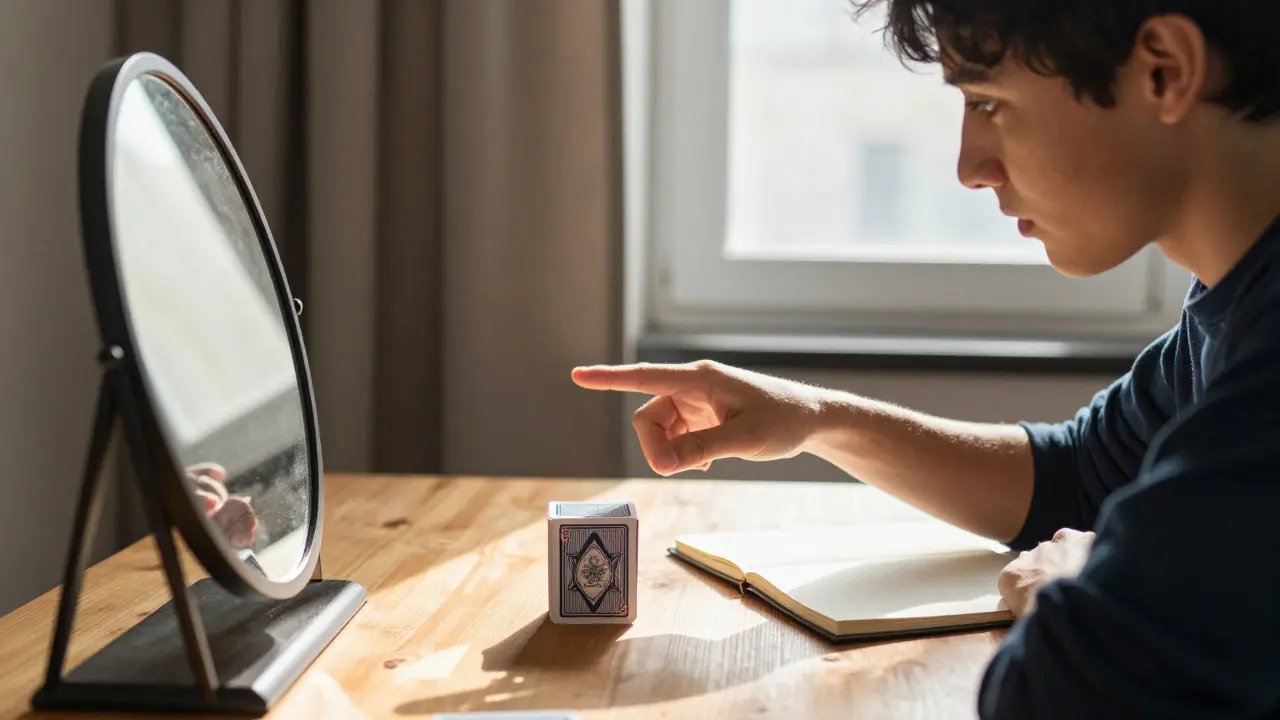
Starting magic isn’t about buying expensive props or memorizing complex routines. It’s about curiosity, practice, and a little bit of showmanship. If you’ve ever watched a card trick and thought, ‘I could do that’, you’re already on the right path. Magic for beginners doesn’t require talent-it requires patience and the right first steps.
Start with one trick, not ten
Most beginners make the mistake of jumping into ten different tricks at once. They watch YouTube videos, buy a $50 magic kit, and feel overwhelmed when nothing works. That’s not magic-that’s frustration. The secret? Pick one trick and master it.Choose a classic like the Classic Force or the Ambitious Card. These are simple, visual, and rely on basic sleight of hand. You don’t need to shuffle like a casino dealer. You just need to do one move well enough that someone says, ‘How did you do that?’
Practice this one trick every day for 10 minutes. Do it in front of a mirror. Do it while watching TV. Do it before bed. After a week, you’ll notice your fingers moving differently. That’s muscle memory kicking in. After two weeks, you’ll be able to do it without thinking. That’s when you’re ready to perform it.
Use everyday objects
You don’t need a deck of cards to start magic. Coins, pens, keys, even a rubber band will do. The best beginner tricks use things you already have in your pocket or on your desk.Try the Pen Through Hand trick. All you need is a pen and your hand. The secret? It’s not about bending reality-it’s about misdirection. You guide the audience’s eyes to look one way while your hand does something else. That’s the heart of magic: controlling attention.
Learn a trick with a coin next. The Coin Vanish is perfect. You can do it standing up, sitting down, or even while walking. No special props. No gimmicks. Just your hand and a little timing.
Learn the psychology behind the trick
Magic isn’t about your hands-it’s about your brain. The best magicians don’t just move cards; they make you forget where the card went. That’s psychology.Here’s a simple rule: People remember what they expect to see, not what actually happened. When you perform a trick, don’t rush. Pause. Smile. Look the person in the eye. Say something like, ‘You’re not going to believe this.’ That creates expectation. Then, when the trick happens, your audience doesn’t focus on how it was done-they focus on how amazing it felt.
Try this next time you practice: after you do the trick, don’t explain it. Just wait. Let them ask. Let them guess. Let them try to figure it out. That’s when the magic sticks.

Perform for real people
Don’t wait until you’re ‘ready.’ You’ll never feel ready. The moment you can do the trick without fumbling, perform it for someone. Your roommate. Your sibling. Your barista. Anyone.Here’s what happens when you perform for real people: you learn what works. Maybe they laugh. Maybe they gasp. Maybe they say, ‘Wait, do that again.’ That’s feedback. That’s gold.
Don’t worry about messing up. Every magician has bombed. I once did a coin vanish and dropped the coin on the floor. The person I was performing for laughed so hard they cried. We ended up doing three more tricks that night. That’s the magic of imperfection.
Watch magicians who teach, not just perform
There’s a difference between watching David Blaine and watching a teacher break down a trick step by step. Look for creators like Mark Wilson, Johnny Ace, or The Magic Circle’s beginner tutorials. These aren’t flashy performances-they’re lessons.Watch how they explain the hand position. How they pause. How they use their voice. Notice how they say, ‘This part is easy to mess up-here’s how to fix it.’ That’s the stuff you won’t find in a YouTube video with 5 million views.
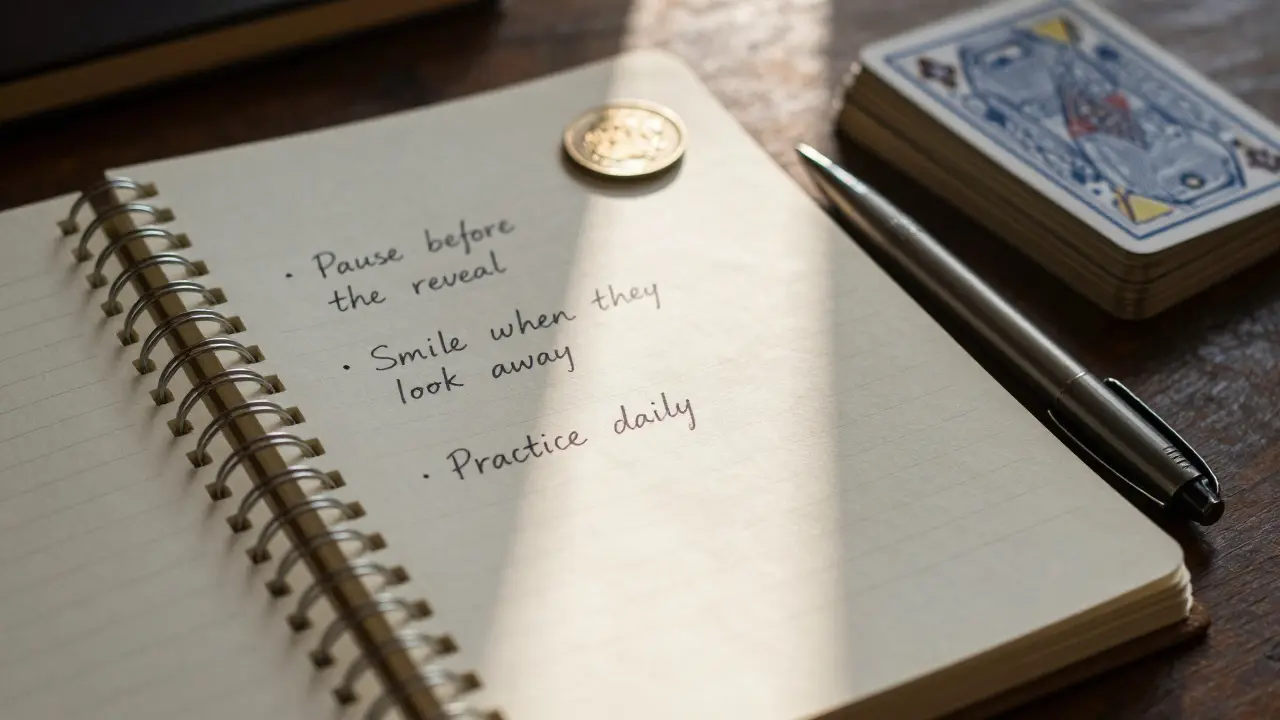
Keep a magic journal
Grab a notebook. Not a fancy one. Just a cheap spiral pad. Every time you learn a new move, write it down. Include:- What trick you tried
- What you did right
- What went wrong
- How you fixed it
After a month, you’ll look back and realize you’ve improved more than you thought. Magic isn’t about being born with it. It’s about tracking your progress.
Don’t chase the ‘holy grail’ trick
You’ll hear about the ‘One Trick That Changes Everything’-the card trick that makes people scream. Don’t fall for it. There’s no magic trick that makes you a magician overnight. There’s only consistent practice.The best magicians don’t do the hardest tricks. They do simple tricks with perfect timing, confidence, and charm. A well-timed pause. A genuine smile. A little humor. Those are the things that make people remember you.
What to do next
Once you’ve got one trick down, pick another. Then another. But always keep one in your back pocket-the one you know inside and out. That’s your go-to. That’s your foundation.Join a local magic club. Look up ‘magic society near me’-there are hundreds. You’ll meet people who’ve been doing this for 20 years. They’ll tell you the same thing: It’s not about the trick. It’s about the moment.
And if you ever feel stuck? Go back to the beginning. Pick up a coin. Practice the vanish. Do it again. And again. Because magic doesn’t live in the props. It lives in the hands that care enough to keep trying.
Do I need to buy a magic kit to start?
No. Most magic kits are overpriced and filled with gimmicks that don’t teach real skills. Start with coins, cards, or pens you already own. Focus on learning one move well instead of buying ten tricks that won’t stick.
How long does it take to learn a beginner magic trick?
With 10 minutes of daily practice, you can learn a solid beginner trick in 5 to 10 days. The key isn’t how fast you learn-it’s how consistently you repeat it. Muscle memory builds faster than you think.
Can I learn magic without a teacher?
Yes. Many top magicians started by watching videos and practicing alone. But don’t just watch-copy. Pause the video. Do the move slowly. Record yourself. Compare. You’ll catch mistakes no one else notices.
What’s the easiest magic trick for beginners?
The Classic Force (making someone pick a card they think is random) and the Coin Vanish (making a coin disappear in your hand) are the two easiest and most effective. Both rely on simple misdirection, not complex moves.
Why do my magic tricks fail when I perform them?
Most often, it’s because you’re too focused on the move, not the moment. Magic isn’t about perfect technique-it’s about connection. Slow down. Look at your audience. Smile. Pause. Let them feel the surprise. Technique matters, but presence matters more.
Start small. Stay consistent. And remember-magic isn’t about fooling people. It’s about giving them a moment they didn’t expect. That’s worth practicing for.