
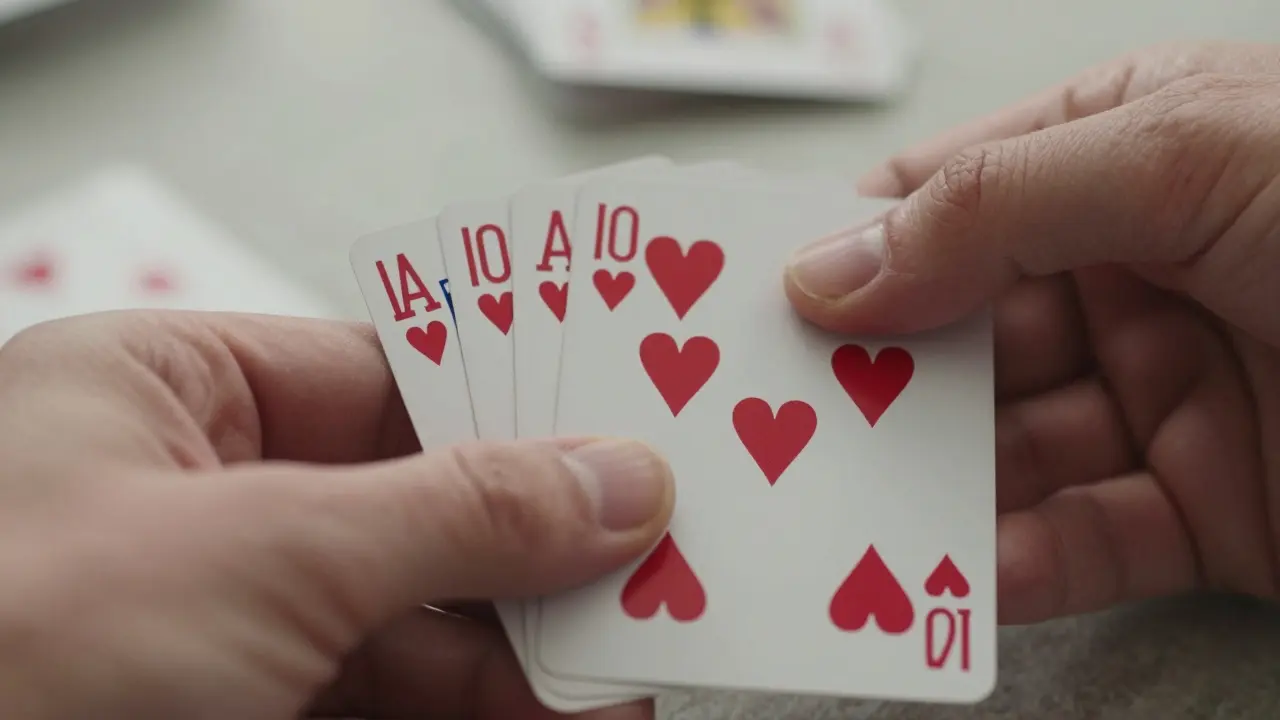
Most people think magic tricks are about sleight of hand, fancy props, or secret tools. But the real secret? It’s practice, timing, and knowing how to make people look where you want them to. You don’t need to be a professional to pull off a trick that leaves someone speechless. Here’s how to learn and perform your first magic trick-step by step-using just a deck of cards and your hands.
Choose Your First Trick: The Classic Force
The best starting point for beginners is the magician’s force. It’s not flashy, but it’s the foundation of hundreds of card tricks. The goal is simple: you want the spectator to pick a card they think is completely random, but you already know which one it is.
This trick works because of psychology, not physics. People assume choice means freedom. You’re going to make them believe they chose freely-while guiding them to one specific card.
Step 1: Set Up the Deck
Take a standard 52-card deck. Remove all cards except for the Ace of Spades and the cards from 2 through 10 of any one suit-say, hearts. That’s 10 cards total. Place the Ace of Spades on top. Now, place the 10 of hearts second from the top. This is your key card.
You don’t need to memorize the whole deck. Just know these two cards are in the top two positions. Everything else is filler.
Step 2: The Presentation
Hold the deck face down in your left hand. With your right hand, fan the cards slightly so the spectator can see about 8-10 cards. Say: "Pick any card you like. Just touch it."
Most people will pick a card near the middle of the fan. That’s fine. But here’s the trick: you’re not letting them pick from the whole deck. You’re only offering cards from position 3 to 12. The Ace and the 10 of hearts are still on top-hidden.
Step 3: The Force
When they touch a card, don’t let them pull it out yet. Instead, gently slide the entire fan of cards down with your left hand until the 10 of hearts is now the top card of the fan. Say: "That one? Good choice."
They think they picked it. You didn’t force it. You just made sure the card they touched was the one you wanted them to pick. This is called the Hamman Force, and it’s been used by pros since the 1970s.

Step 4: The Reveal
Now, ask them to remember their card and put it back on top of the deck. Shuffle it once-just once-so it looks like you’re mixing things up. Then, take the deck, flip it over, and pull out the Ace of Spades.
Say: "I’m going to guess your card. It’s not the Ace of Spades… but it’s right next to it."
Then flip the top card of the deck. It’s the 10 of hearts. Their card.
They’ll stare at you. They’ll ask how. You’ll smile. And you won’t tell them.
Why This Works Every Time
This trick works because of three principles:
- Controlled choice: People think they’re free to choose, but you’ve narrowed the options without them noticing.
- Misdirection: Your words, your hand movements, your pause after they pick-all of it distracts from the real move.
- Pattern recognition: Humans look for meaning in randomness. When you say "it’s right next to the Ace," they assume you’re guessing. But you already knew.
Try this in front of a mirror. Practice the hand motion until you can do it without looking. Your fingers need to move like they’re doing nothing at all.
Common Mistakes Beginners Make
- Overdoing the show: Don’t say "Watch closely!" or "This is impossible!" The more you hype it, the more people suspect something’s up.
- Letting them hold the deck: If they touch the cards after the force, they might notice the Ace is on top. Keep control.
- Repeating the trick too soon: If you do this twice in one evening, someone will catch on. Wait a week. Try a different trick next time.

How to Make It Feel Real
Real magic doesn’t feel like a trick. It feels like a moment.
Before you start, make eye contact. Smile. Say something casual: "I learned this from my grandpa. He used to do this at family dinners." It doesn’t have to be true. It just makes it feel personal.
After the reveal, pause. Let the silence hang. Don’t rush to explain. Let them wonder. That’s when the magic sticks.
Next Steps: Build Your Routine
Once you’ve got this one down, learn the double lift-a move that lets you show the top card while secretly lifting two. It’s the next step up. Then try the pass, a way to secretly move a card from the top to the bottom without anyone seeing.
You don’t need a magic kit. You don’t need a stage. You just need a deck of cards and 15 minutes a day to practice.
Try this trick on a friend. Then on a stranger at a coffee shop. Then on your little cousin. Each time, you’ll notice something new: how they lean in, how their eyes flicker, how they laugh when they realize they were fooled.
That’s not magic. That’s human nature.
What to Do When It Doesn’t Work
It’s going to fail sometimes. Someone will pick the Ace. Someone will catch your move. Someone will say, "Wait, you did that on purpose."
That’s okay.
Don’t apologize. Don’t explain. Just say: "Yeah, I know. But try it again-this time, I’ll let you shuffle."
Let them think they’re in control. That’s the real trick.
Do I need special cards to do magic tricks?
No. Most beginner tricks use a standard deck of playing cards. You don’t need marked cards, gimmicked decks, or special tools. In fact, using regular cards makes your trick more convincing-people trust what they recognize. Start with a cheap deck from the grocery store. Practice until you can handle it without looking.
How long does it take to learn a magic trick?
A simple trick like the force can be learned in one afternoon. But to make it look smooth, you need to practice for at least 10-15 minutes a day for a week. That’s about 2 hours total. Most people give up after two tries. The ones who stick with it become the ones who surprise everyone.
Can kids learn magic tricks too?
Yes. In fact, kids often do better than adults because they’re less self-conscious. A 10-year-old can master the force trick faster than a 40-year-old who’s worried about looking silly. Magic is about focus, not dexterity. If they can follow a simple set of steps, they can do it. Start with coin tricks or card forces-both are safe, quiet, and easy to practice.
Is magic just about hand movements?
No. Hand movements are 20% of the trick. The other 80% is timing, pacing, and psychology. People remember how you made them feel-not how your fingers moved. A well-timed pause, a casual tone, a small smile-these are what make magic feel real. You can do a perfect move and still fail if you sound nervous. Learn to speak slowly. Breathe. Let them think they’re part of the moment.
Where can I find more tricks to learn?
Start with books like "The Royal Road to Card Magic" or "Mark Wilson’s Complete Course in Magic." Both are old-school, clear, and full of tricks that don’t need special props. YouTube is full of tutorials, but most are too flashy for beginners. Stick to the basics first. Learn one trick well before moving to the next. Quality beats quantity every time.