
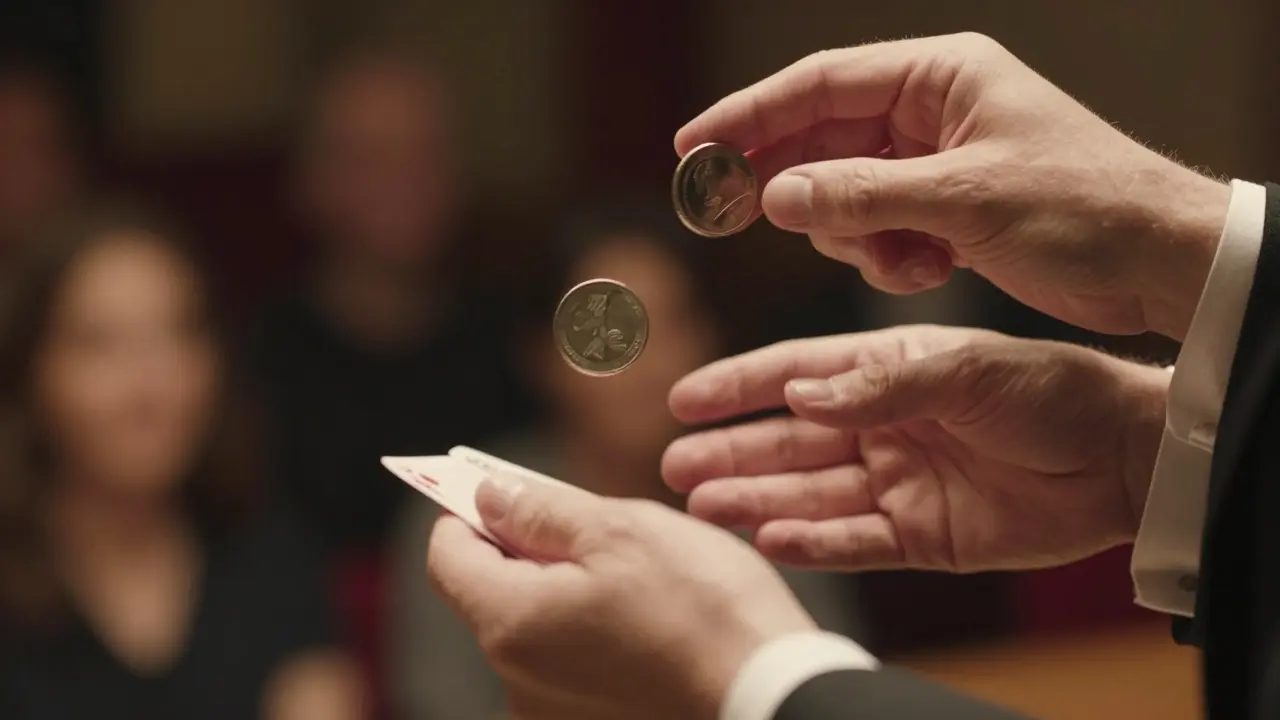
Most people think magic tricks are about misdirection and flashy cards. But if you’ve ever watched a skilled magician pull off a clean, impossible trick-no smoke, no mirrors, just hands and a smile-you start to see something deeper. Magic isn’t just about hiding things. It’s about magic tricks that use logic, psychology, and creativity in perfect sync. The best tricks don’t fool you because they’re complex. They fool you because they’re simple… and perfectly timed.
How Magic Tricks Trick Your Brain
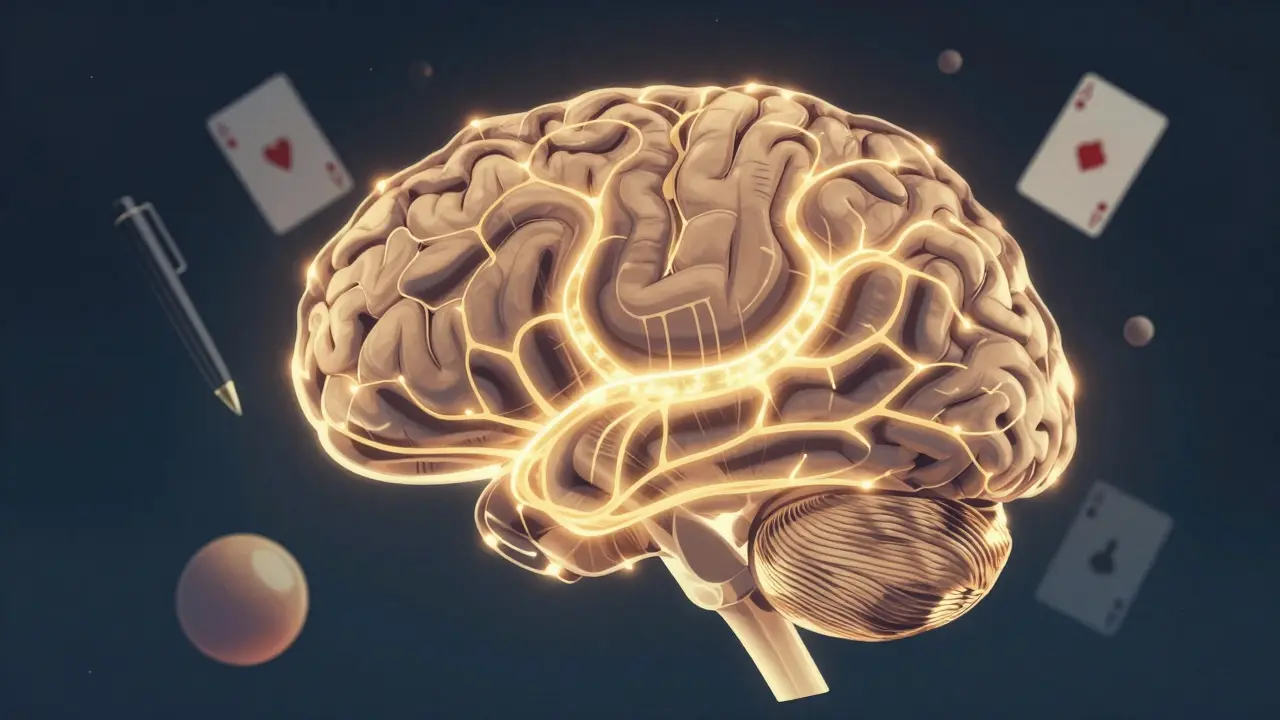
Your brain is constantly making predictions. When you see someone pick up a coin, your mind already knows where it’s going to go. Magicians don’t hide the coin in your blind spot. They make your brain think it already saw the coin move-so you don’t look for it again. This is called attentional blindness. In one famous experiment, subjects watched a video of a magician making a card vanish. Nearly 80% of them didn’t notice the card was gone until the magician revealed it. Why? Because their brains had already filled in the missing step. They assumed the card was still in the hand because that’s what logic told them should happen.That’s the real secret: magic tricks work because they exploit the rules your brain uses to make sense of the world. A magician doesn’t need a secret compartment. They just need you to believe the coin is still there after you saw it disappear. That’s not magic. That’s neuroscience.
The Role of Creativity in Sleight of Hand
Sleight of hand isn’t just about dexterity. It’s about storytelling. Think about the classic three-card monte. The trick isn’t in how fast the dealer moves the cards. It’s in how they make you feel like you’re in control. You pick the card. You think you’re tracking it. You’re wrong. The dealer doesn’t need to be faster than you. They just need you to believe you’re smarter than them.The best magicians are artists. They build routines around emotion, rhythm, and timing. A well-timed pause. A glance away. A smile that makes you relax. These aren’t random gestures. They’re carefully crafted cues that guide your attention where the magician wants it to go. One magician in Las Vegas built an entire act around the sound of a pen clicking. Every time the pen clicked, the audience blinked. He timed every move to that blink. No hidden traps. No wires. Just a pen and a second of distraction.
Logic Behind the Illusion
Magic tricks follow rules-just not the ones you think. Take the floating ball illusion. It looks like a ball is hanging in midair. But the trick? A thin, nearly invisible thread. The ball’s weight is balanced perfectly. The lighting hides the thread. The magician never moves their hand too fast. They move slowly, deliberately, so your eyes can’t catch the tension in the string.This isn’t magic. It’s physics. The magician understands tension, light refraction, and human perception. They don’t break the laws of nature. They use them better than you do. A real magician will tell you: "I don’t make things disappear. I just make you stop looking for them."
Even the most elaborate stage illusions rely on simple math. A levitation trick? It’s not magic. It’s a hidden platform, a support rod, and a clever angle. The audience sees the illusion from one spot. If they moved five feet to the left, they’d see the truth. The magician doesn’t hide the mechanism. They hide the viewing angle. That’s logic. That’s geometry. That’s design.
Why Some Tricks Last Decades
Not all tricks age well. Some rely on outdated tech. Others depend on props that are too obvious now. But a few classics-like the cup and ball, the vanishing coin, or the card force-have survived for over 200 years. Why? Because they don’t depend on gadgets. They depend on human behavior.The cup and ball trick dates back to ancient Egypt. The core idea? You see the ball under the cup. You look away. When you look back, it’s gone. The trick hasn’t changed. But your brain still falls for it. Why? Because your brain hates uncertainty. It wants closure. When the ball vanishes, your brain doesn’t ask, "How?" It asks, "Where did it go?" And that’s exactly where the magician wants you to look.
These tricks endure because they’re built on timeless principles: expectation, pattern recognition, and cognitive bias. They don’t need upgrades. They just need a new audience.

Learning Magic Teaches You More Than Just Tricks
If you’ve ever tried to learn a card trick, you know how hard it is. It’s not about finger strength. It’s about timing. It’s about reading your audience. It’s about managing your own nerves. Most people give up after three tries. But those who stick with it? They don’t just learn how to make cards disappear. They learn how people think.Magicians study psychology. They read books on attention, memory, and decision-making. They watch children play. They observe how people react to surprise. A good magician knows that if you say "watch my left hand," people will look at your right. That’s not a trick. That’s a pattern. And once you see it, you start noticing it everywhere-in ads, in politics, in conversations.
Learning magic doesn’t make you better at parties. It makes you better at noticing when you’re being manipulated. That’s why some cognitive scientists use magic tricks to teach critical thinking. If you can spot how a coin vanishes, you can spot how a headline misleads you.
The Most Powerful Magic Trick
The greatest trick a magician ever pulled? Making you think magic is about wonder. It’s not. It’s about curiosity. Real magic doesn’t make you say, "How did they do that?" It makes you say, "What else am I missing?"That’s why the best magic doesn’t end with the reveal. It ends with a question. Why did I believe it? Why didn’t I see it? What else am I not seeing?
That’s the real magic. Not the trick. The thinking after it.
Samuel Bennett
February 24, 2026 AT 22:23Rob D
February 26, 2026 AT 03:55Franklin Hooper
February 26, 2026 AT 19:39Jess Ciro
February 28, 2026 AT 12:03saravana kumar
March 2, 2026 AT 08:25Tamil selvan
March 3, 2026 AT 06:36Mark Brantner
March 4, 2026 AT 04:20Kate Tran
March 4, 2026 AT 05:23amber hopman
March 4, 2026 AT 12:32