
Types of Magic: Card Tricks, Mentalism, Math Illusions, and More
When you think of types of magic, the different ways illusions are created to amaze and confuse audiences. Also known as magic disciplines, it isn’t just about waving a wand and saying "abracadabra." Real magic is built on psychology, timing, and how the human brain fills in gaps. Whether it’s a card vanishing in your hand or someone guessing your secret thought, every trick falls into one of a few core categories—and knowing them helps you understand, not just watch, the magic.
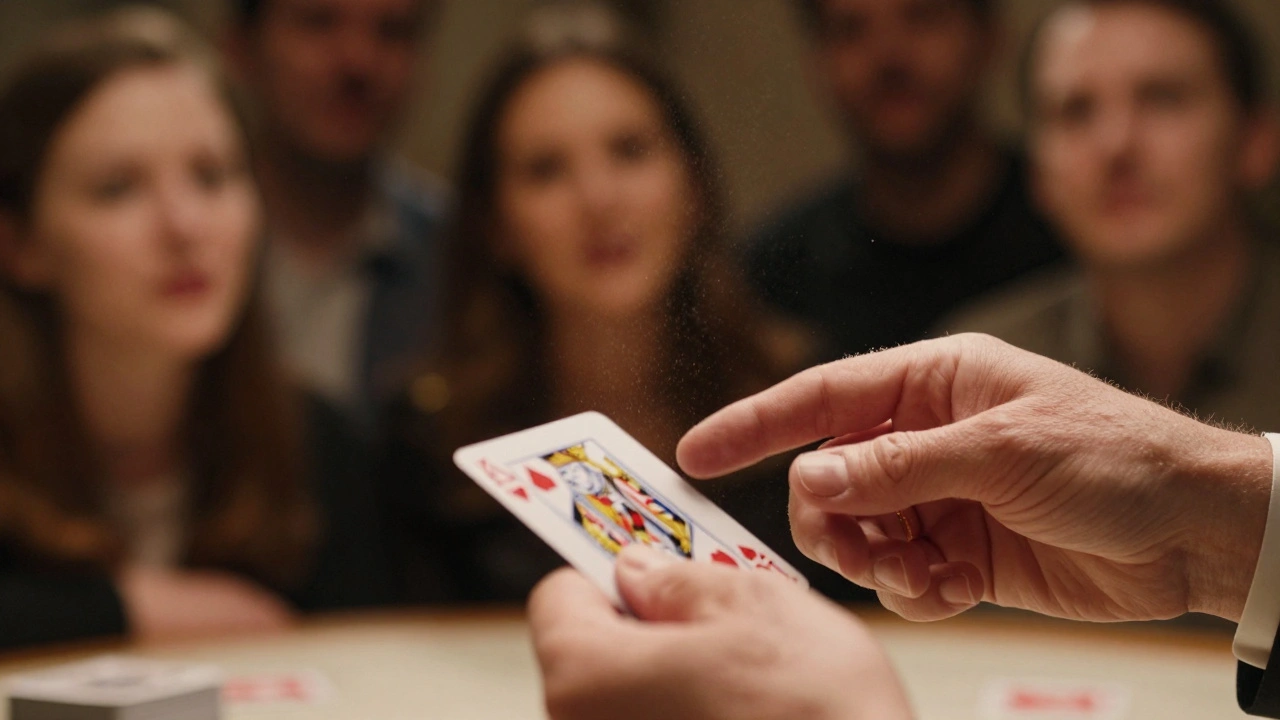
One of the most common card tricks, illusions using a standard deck of playing cards. Also known as card magic, it is the backbone of most beginner kits. The Classic Pass, the Force, and the Double Lift aren’t flashy—they’re invisible. That’s the point. Magicians use them because the audience never sees the move, only the result. These tricks rely on control, misdirection, and repetition. They’re not about speed. They’re about making the impossible feel natural.
Then there’s mentalism, a type of magic that simulates mind reading and psychic abilities. Also known as psychological magic, it doesn’t need cards or coins. It uses silence, observation, and the way people talk about themselves. Tricks like Three Peeking or name-guessing work because your brain gives away more than you think. Top mentalists like Derren Brown don’t have powers—they have patterns. They know how people choose numbers, what names come to mind first, and how to guide choices without forcing them. It’s magic you can learn by watching people, not just practicing moves.
Don’t forget math magic, illusions built on number patterns and arithmetic. Also known as math-based magic, it is the quiet powerhouse of magic. You don’t need a deck. You don’t need props. Just a calculator or a piece of paper. A trick where you predict a number someone picks? That’s not luck. It’s algebra. The brain gets fooled because it’s focused on the process, not the hidden structure. These tricks are perfect for parties, classrooms, or texting a friend—they feel like magic, but they’re pure logic.
And then there’s sleight of hand, flash moves, and the Grey School’s quiet style—all part of the bigger picture. Some magic needs years of practice. Some can be learned in an afternoon. But all of it shares one thing: it works because you believe it. The best magicians don’t just perform tricks. They create moments where doubt disappears, even for a second.
Below, you’ll find deep dives into each of these types—how they work, why they fool you, and how you can start using them yourself. No magic wand required. Just curiosity.
What Are the 8 Types of Magic Explained? A Simple Breakdown for Beginners
- by Conni Mendiburu
- on 4 Dec 2025
Learn the 8 real types of magic behind the tricks-sleight of hand, psychological, mechanical, and more. Understand how each works so you can choose the right tricks and build a powerful routine.