

Have you ever watched a magician make a card vanish, saw someone cut a person in half, or stared in disbelief as a coin disappeared from your own hand? You weren’t crazy. You weren’t missing something. You were simply fooled - and that’s the point. Magic isn’t about supernatural powers. It’s about illusion. It’s about how your brain works, how it fills in gaps, and how easily it gets tricked.
What Really Happens When You See a Magic Trick?
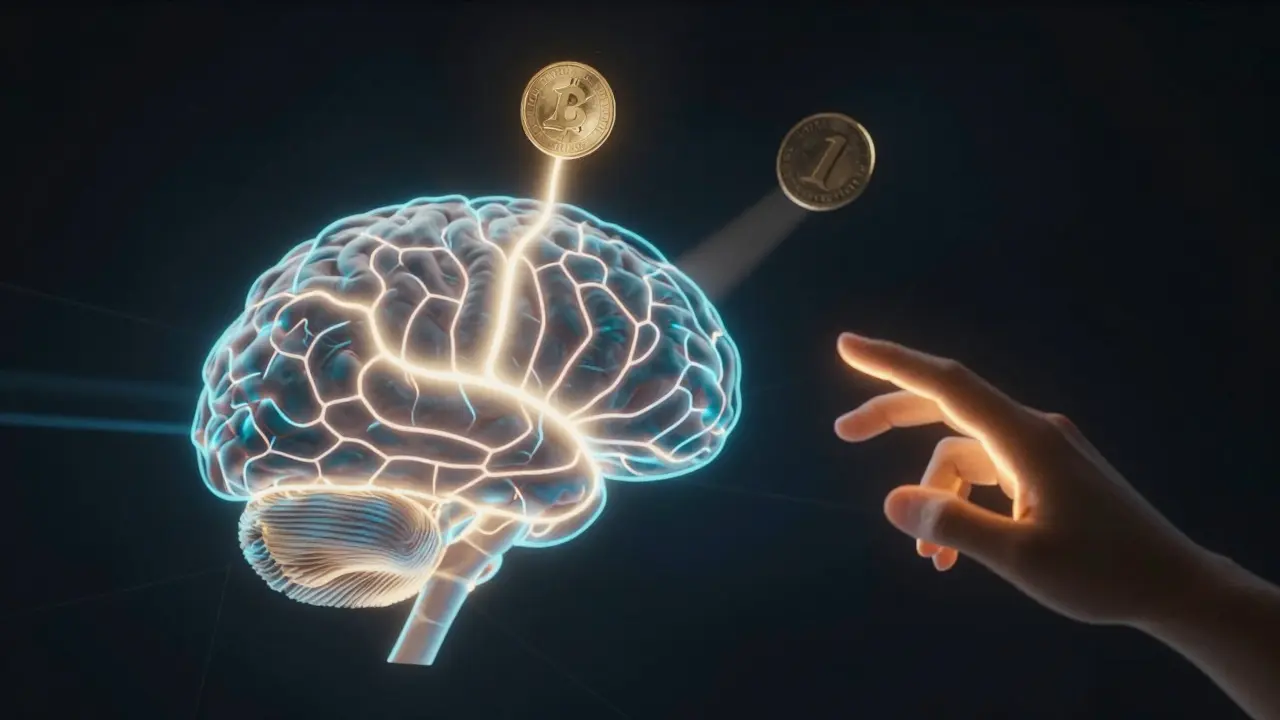
Most people think magic is about fast hands and secret compartments. But the real magic happens inside your head. Neuroscientists have studied this for years. A 2014 study at the University of Glasgow showed that magicians don’t just hide objects - they redirect your attention. They make you look at one thing so you miss what’s happening right next to it. This is called misdirection, and it’s not magic. It’s psychology.Your brain is a prediction machine. It doesn’t process every detail you see. Instead, it guesses. It assumes the next frame of reality based on what came before. Magicians exploit that. They set up expectations - a card is dealt, a coin is tossed - and then break them. Your brain fills in the missing piece with what it thinks should happen. That’s why you don’t see the sleight of hand. You don’t need to. Your mind already believes it happened.
The Three Pillars of Every Magic Trick
There are only three ways to fool someone with a trick, and every magic trick ever performed uses one or more of them:- Sleight of Hand - This is the classic. Coins palmed, cards switched, balls vanished. It’s not about speed. It’s about timing and angles. A good magician moves slowly enough to look natural but fast enough to beat your eyes’ ability to track motion. Your brain sees motion blur and assumes nothing changed.
- Misdirection - This is the invisible hand. A magician asks you to watch the left hand while the right hand does the real work. Or they make you laugh, look up, or even just blink. A 2020 experiment at the University of Cambridge found that people missed obvious changes in a trick when the magician said the word “now.” Just saying it shifted attention enough to hide the move.
- Psychological Manipulation - This is the quietest trick. Magicians use language, body language, and even silence to shape what you think is possible. Saying “I’ll make this card disappear” plants the idea in your head. Then, when the card vanishes, you don’t question how - you assume it’s magic. You’re not being tricked by a device. You’re being tricked by your own assumptions.
Why Do We Love Being Fooled?
You’ve probably heard people say, “I know it’s an illusion, but I still can’t figure it out.” That’s the magic paradox. We want to be fooled. We crave that moment of wonder. A 2018 survey by the Magic Circle in London found that 78% of people who watch magic say they feel more alive after a trick. Why? Because magic breaks the rules of reality - even just for a second. It reminds us that the world isn’t as predictable as we think.Think about it: in everyday life, you trust your senses. You assume if you see something, it’s real. Magic shatters that trust. And that’s why it’s so powerful. It doesn’t just entertain - it reawakens curiosity. It makes you question what else you might be missing.
Real-World Examples You’ve Seen (But Didn’t Notice)
You don’t need a stage to experience magic. You see it every day:- When a waiter slides a bill across the table and you don’t notice the extra dollar he slipped in.
- When a salesperson says, “This is our last one,” and you suddenly feel the urge to buy.
- When a politician says, “We’ve reduced crime by 20%,” and you don’t ask how they measured it.
These aren’t magic tricks - but they use the same principles. Misdirection. Manipulated perception. Controlled attention. The difference? Magicians are honest about it. They say, “Watch closely.” Everyone else pretends they’re not playing you.
How to See Through a Trick (Even If You Don’t Want To)
If you want to understand magic, you have to stop trying to figure out how it’s done. Instead, ask: How did I get fooled?Try this next time you watch a trick:
- Watch the magician’s eyes. Where are they looking? That’s usually where they want you to look.
- Notice the silence. Magicians often pause right before the big move. That’s not a mistake - it’s a signal. Your brain thinks, “Something important is about to happen,” so you lean in. And that’s when they do it.
- Ask yourself: What did I assume? Did I assume the card was still in the deck? Did I assume the coin was still in the hand? Those assumptions are the trap.
You don’t need to know the secret. You just need to know how your mind works.
The Hidden Lesson: Magic Teaches You How to Think
Magic isn’t just entertainment. It’s a masterclass in critical thinking. Every trick is a lesson in how easily we accept false conclusions. If you can see how a magician tricks your brain, you can start noticing how other things - ads, news stories, even conversations - shape what you believe.People who study magic become better at spotting lies. Not because they know all the secrets. But because they’ve learned to pause. To question. To look for the gap between what they see and what they think they see.
That’s the real power of illusion. It doesn’t just fool you. It wakes you up.
Akhil Bellam
February 25, 2026 AT 09:19Amber Swartz
February 26, 2026 AT 23:00Robert Byrne
February 27, 2026 AT 03:05Tia Muzdalifah
February 27, 2026 AT 13:47Zoe Hill
February 28, 2026 AT 03:56Albert Navat
February 28, 2026 AT 16:16King Medoo
February 28, 2026 AT 21:28Rae Blackburn
March 1, 2026 AT 20:20LeVar Trotter
March 3, 2026 AT 07:02Tyler Durden
March 4, 2026 AT 09:10