
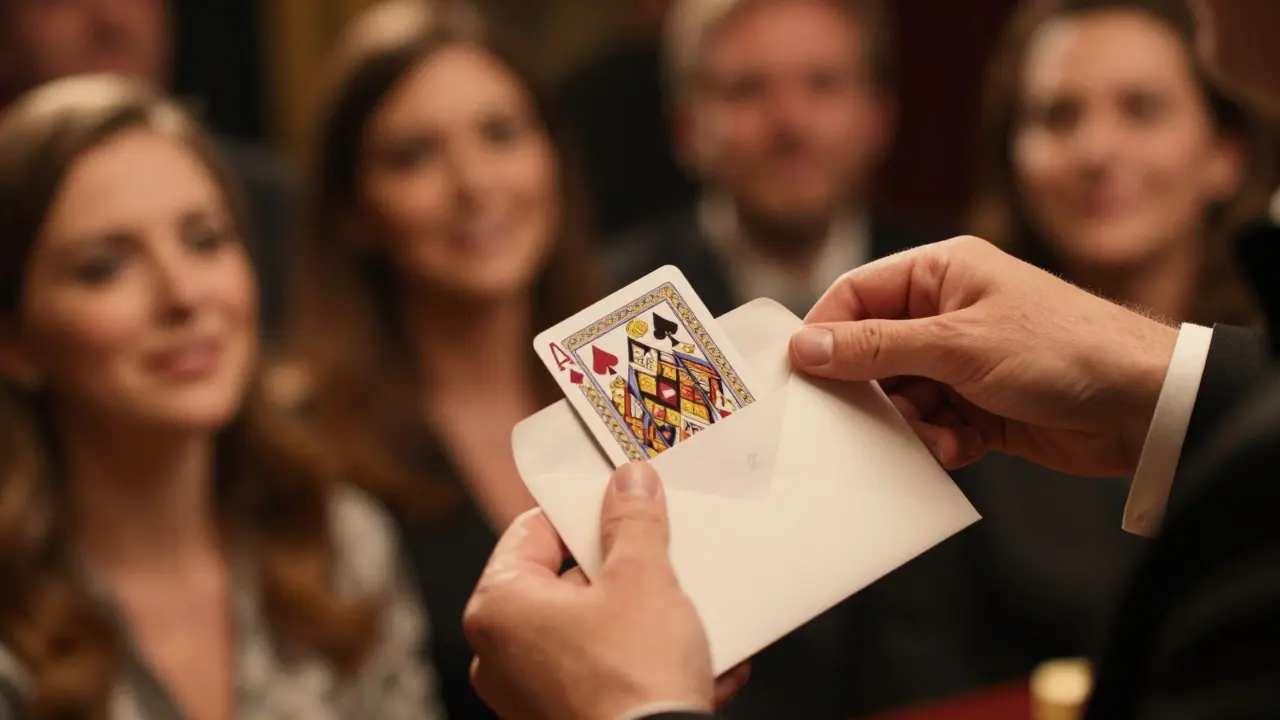
Everyone knows abracadabra. It’s the go-to magic word, the one you hear in cartoons, kids’ parties, and cheap magic kits from the 90s. But if you’re holding a real magic trick kit-something with real props, real sleight of hand, and real audience impact-you’re probably wondering: is this still the best thing to say?
The truth? Abracadabra doesn’t do anything. It doesn’t make cards vanish, coins multiply, or ropes untie themselves. It’s just a sound. And if you’re using it because it’s tradition, you’re leaving a big part of your performance on the table.
Why Abracadabra Falls Flat
Think about it: how many times have you heard someone say ‘abracadabra’ and actually felt something magical happen? Rarely, right? That’s because the word itself has lost its power. It’s been overused, turned into a joke, and stripped of any real mystery.
Modern audiences-especially kids raised on TikTok and YouTube magic-are smarter than they look. They’ve seen hundreds of tricks. They know the basics. They’re not fooled by clichés. If your entire act hinges on saying ‘abracadabra’ while waving your hand, you’re not performing magic-you’re reenacting a Halloween costume.
Real magic doesn’t rely on words. It relies on timing, misdirection, and emotional connection. But that doesn’t mean you should stay silent. Words matter. They guide attention. They build anticipation. They make the impossible feel real.
What Actually Works Instead
Here’s the secret: the best magic phrases aren’t spells. They’re stories. They’re questions. They’re invitations.
Take this example: You’re holding a signed card, and you’re about to make it appear inside a sealed envelope. Instead of saying ‘abracadabra,’ try:
- ‘You picked that card because it felt right. Now, let’s see if it remembers where it belongs.’
- ‘I don’t know how it got there… but I know it didn’t walk.’
- ‘The envelope doesn’t open. The card just… shows up.’
These lines don’t explain the trick. They don’t say ‘magic.’ They make the audience wonder. They create a moment of pause. That’s when the trick lands.
Another effective approach is using silence. After a subtle move, hold eye contact. Wait two full seconds. Then say, ‘That’s not supposed to happen.’ The audience laughs, leans in, and suddenly, the impossible feels personal.
Match Your Words to Your Trick
Not all magic is the same. A coin vanish needs different language than a card force or a rope trick. Your words should match the tone of the prop and the mood you’re creating.
For coin tricks:
- ‘It’s not hiding. It’s just waiting for the right moment.’
- ‘I could tell you where it went… but then I’d have to tell you how.’
For card tricks:
- ‘You didn’t pick that card. It picked you.’
- ‘The deck knows what you’re thinking. I just listen.’
For escape or restoration tricks:
- ‘It’s not broken. It’s just rearranged.’
- ‘I didn’t fix it. I just reminded it how to be whole again.’
These aren’t magic words. They’re psychological hooks. They tap into how people think about objects, choices, and control. That’s what makes them stick.

How to Build Your Own Magic Phrases
You don’t need to memorize a list. You need to understand the pattern.
Here’s how to create your own lines:
- Start with the outcome. What just happened? (e.g., ‘The card appeared in the wallet.’)
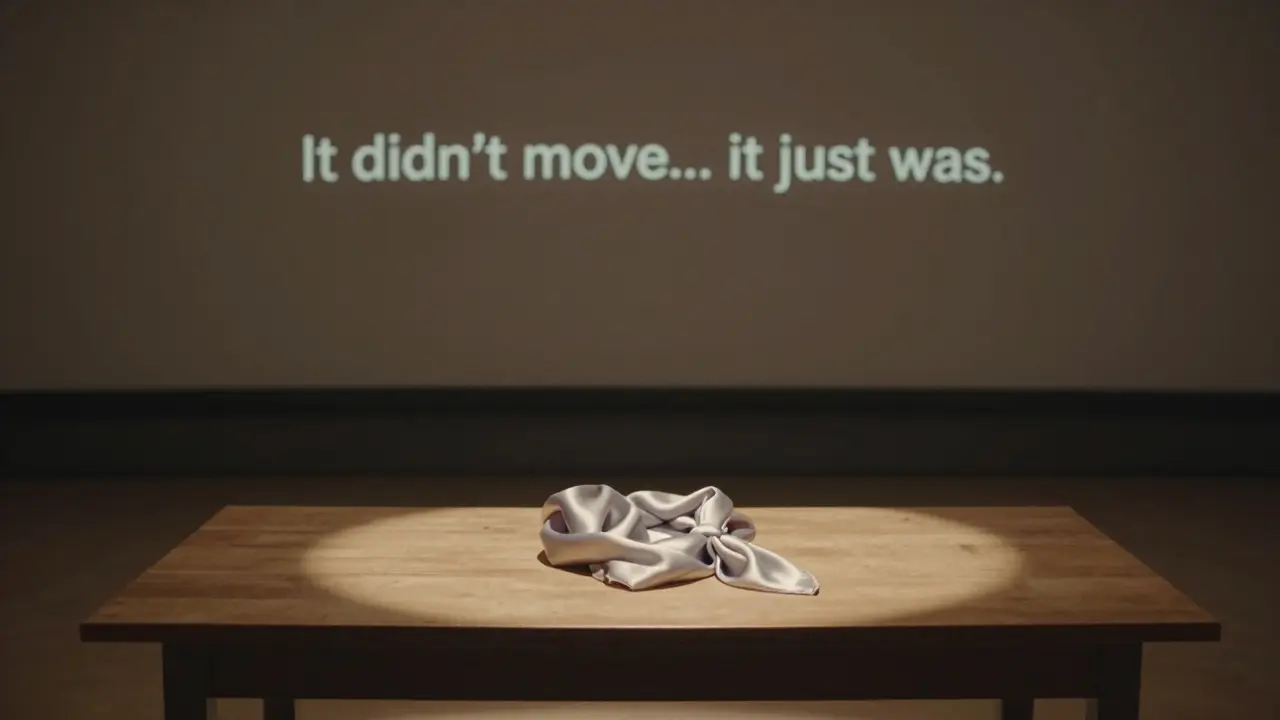
- Ask yourself: What would make this feel surprising? (e.g., ‘It didn’t move. It just… was.’)
- Remove the explanation. Don’t say ‘I switched it.’ Say ‘It never left your mind.’
- Use personal language. ‘You chose it.’ ‘It found you.’ ‘You felt it.’
- Test it. Say it out loud during practice. Does it feel natural? Does it make you pause? If not, rewrite it.
Try this on your next trick. Instead of saying ‘abracadabra,’ say:
‘You didn’t see it move… because you were looking somewhere else.’
It’s not magic. It’s truth. And that’s why it works better.
Why This Matters in Magic Kits
Most magic kits sold today come with scripts that say ‘abracadabra’ on every page. They’re designed for kids who just want to see something happen. But if you’re buying a kit because you want to perform-because you want to amaze friends, family, or even strangers-you need more than instructions. You need a voice.
The best magic kits now include optional dialogue suggestions. Not ‘say this word,’ but ‘try this feeling.’ They give you frameworks: ‘Ask a question. Pause. Let them wonder.’ That’s progress.
When you upgrade from a toy kit to a real performance set, you’re not just getting better props. You’re learning how to speak magic.
What to Avoid
Some people try to sound ‘mystical’ by using old Latin phrases or fake archaic tongues. ‘Hocus pocus,’ ‘alakazam,’ ‘sim sala bim’-these are just variations of the same tired sound. They’re not magical. They’re nostalgic.
Don’t use phrases that explain the trick. ‘The card is now invisible’ is not a spell. It’s a spoiler.
Don’t overuse your lines. Saying the same phrase every time makes it predictable. Save your best line for the big moment.
And never say ‘Ta-da!’ unless you’re holding a birthday cake. It’s not magic. It’s a party horn.
Real Examples from Real Performers
David Blaine doesn’t say ‘abracadabra.’ He says things like, ‘I’m not moving my hands… so how did it get there?’
Penn & Teller say, ‘You’re not seeing the trick. You’re seeing the lie.’ That’s not magic-it’s honesty. And that’s why it’s more powerful.
Even street magicians in LA’s Venice Beach have stopped using the old phrases. One told me: ‘If I say ‘abracadabra,’ they laugh. If I say ‘I didn’t touch it,’ they check their pockets.’
Practice This Today
Take one trick from your magic kit. Not the hardest one. The one you’ve done ten times.
Now, rewrite the line you usually say. Get rid of ‘abracadabra.’ Replace it with something that sounds like something a real person would say when they’re surprised.
Try: ‘Wait… how did that get there?’
Or: ‘I didn’t do anything. Did you?’
Then practice it. Say it out loud. Watch your own face in the mirror. Does it feel natural? Does it make you believe it for a second?
If yes-you’ve just upgraded your magic.
Final Thought: Magic Isn’t in the Words
It’s in the silence after them.
The best magic happens when the audience forgets you’re even speaking. When they’re too busy wondering how it happened to notice you said anything at all.
So stop saying ‘abracadabra.’ Start saying something that makes them wonder.
Because real magic isn’t about what you say.
It’s about what they believe.
Tiffany Ho
December 31, 2025 AT 20:16I never thought about how much the words matter in magic but this totally makes sense
Used to say abracadabra all the time with my kid and now I get why it fell flat
Trying out 'You didn't see it move... because you were looking somewhere else' next time
Feels way more real somehow
michael Melanson
January 2, 2026 AT 13:14This is the most useful magic advice I've read in years
Stop saying magic words and start saying human things
lucia burton
January 3, 2026 AT 14:32Let me break this down from a performance psychology standpoint because this isn't just about language it's about cognitive dissonance management and attentional anchoring
When you replace a hollow incantation with a psychologically grounded narrative cue you're not just changing words you're restructuring the audience's predictive coding model
They stop trying to figure out the method and start trying to reconcile the outcome with their mental model of reality
That's why 'It didn't walk' works better than 'abracadabra'-it introduces a paradox that demands emotional engagement not logical analysis
The brain doesn't solve the puzzle it feels the wonder
And wonder is what sticks not the trick
Denise Young
January 4, 2026 AT 12:02Wow so you're telling me the real magic isn't in the trick but in the way you make people feel like they're part of something mysterious instead of just watching a guy with a deck of cards
And we all thought it was about sleight of hand
Meanwhile I've been saying 'ta-da' like I'm opening a birthday present while real magicians are out here crafting poetry
Y'all just upgraded from kindergarten to grad school
Sam Rittenhouse
January 4, 2026 AT 17:37I used to think magic was about showing people something impossible
But this changed my whole view
It's not about what they see
It's about what they feel like they could never explain
That moment when you pause and they lean in
That's the real trick
And honestly I think every performer-whether on stage or in life-could learn from this
Peter Reynolds
January 6, 2026 AT 16:07Interesting
I never really thought about the words
But now that I read it I can see how saying something natural makes it feel more real
Kinda like how a good lie sounds like truth
Fred Edwords
January 7, 2026 AT 19:53While I appreciate the sentiment, the article’s punctuation is inconsistent: missing Oxford commas, inconsistent capitalization after em dashes, and improper use of ellipses without spaces before and after. Additionally, the phrase 'It’s not magic-it’s truth' should be 'It’s not magic; it’s truth' for grammatical precision. That said, the core thesis is compelling: language shapes perception, and magic thrives on ambiguity, not incantations. Well-reasoned, if poorly punctuated.
Sarah McWhirter
January 9, 2026 AT 13:56Wait… so you're saying the real magic is that we've been conditioned to believe in words that don't do anything
But what if 'abracadabra' was never meant to be a spell… but a trigger?
What if the entire magic industry is just a distraction from the fact that language itself is the real illusion?
And who wrote these 'magic phrases'? Who benefits if we stop saying 'abracadabra' and start saying 'it found you'?
Are we being manipulated by performance coaches who sell 'authenticity' like a product?
Maybe the real trick is believing that words can change reality at all…
Ananya Sharma
January 10, 2026 AT 15:24This is the most privileged nonsense I've read all week
You think people want 'psychological hooks' instead of a simple word that means 'magic'?
Most people aren't trying to be David Blaine-they're trying to make their niece laugh
And if saying 'abracadabra' makes a kid's eyes light up, then you're the one who's lost magic
Stop overthinking everything
Not every child needs a PhD in cognitive misdirection to enjoy a card trick
And your 'real magic' is just elitist performance art wrapped in buzzwords
Real magic is joy, not jargon
kelvin kind
January 10, 2026 AT 19:00Yeah I tried 'I didn't do anything. Did you?' last night
My cousin just stared at me for five seconds
Then said 'Dude you moved your hand'
But I still liked it better than abracadabra
Ian Cassidy
January 12, 2026 AT 00:12Good stuff
Feels like the same principle as improv-don't explain, just commit to the moment
Words are just the bridge to the pause
The pause is where the magic lives
Zach Beggs
January 12, 2026 AT 22:37I used to say 'abracadabra' every time
Now I just smile and wait
Works better
Even when they figure it out
They still remember how it felt