
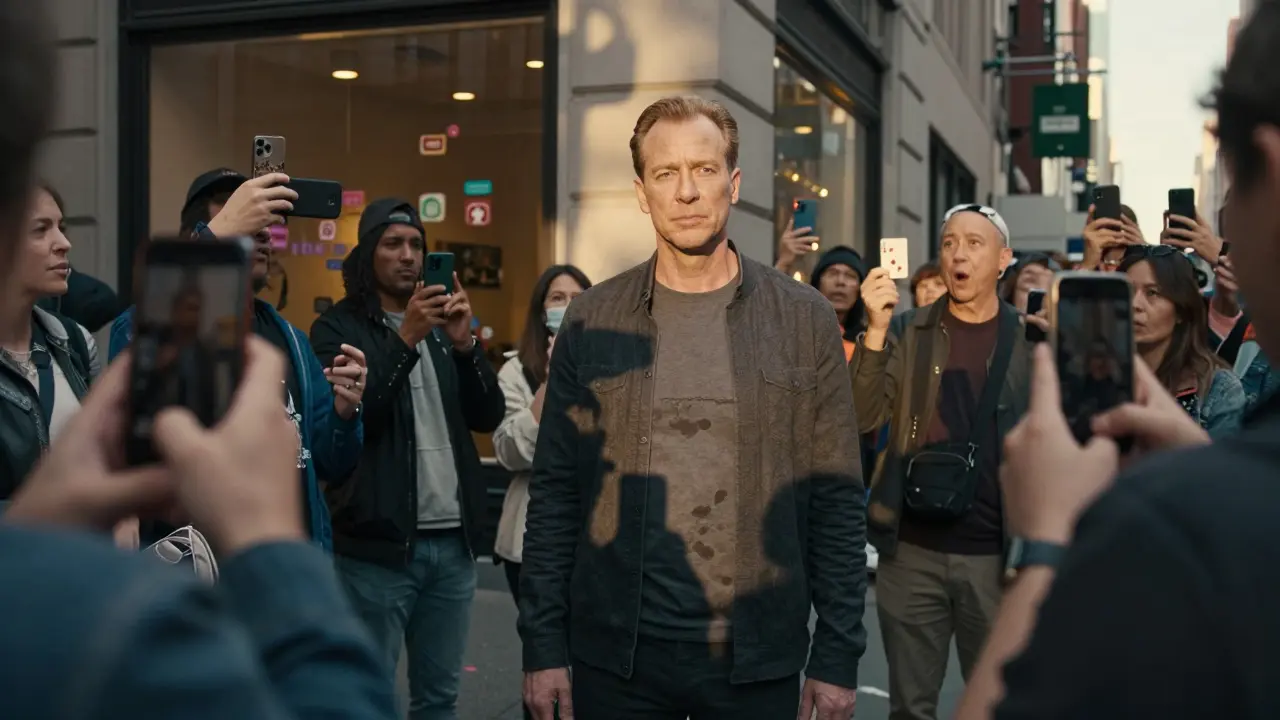
David Blaine doesn’t read minds. Not really. If you think he’s tapping into your thoughts like some kind of psychic superhero, you’re not alone-but you’re also being fooled. And that’s the point.
The Illusion of Mind Reading
When David Blaine names the card you picked, or tells you the exact date your grandmother passed away, it doesn’t come from extrasensory perception. It comes from decades of practiced deception, psychology, and cold reading. He’s not a mystic. He’s a master manipulator of attention, memory, and expectation.
Think about it: if someone could truly read minds, they’d be in a lab at Harvard, not standing on a street corner in New York with a crowd of tourists holding up their phones. The real magic isn’t in the mind-it’s in the setup.
How Cold Reading Works
Cold reading is the backbone of most mentalism acts. It’s not magic. It’s psychology. Blaine starts with broad, high-probability statements that apply to almost anyone. He might say, ‘I’m sensing someone close to you who passed suddenly-maybe in their 40s or 50s.’
That statement works because:
- Most people have lost someone in that age range
- Sudden deaths are more memorable than slow ones
- People remember the hits and forget the misses
Then he watches your face. A slight flinch? A quick nod? A tear? He just got his data point. Now he narrows it down: ‘Was it your uncle? Or maybe your mother?’
He doesn’t need to know your family tree. He just needs you to tell him.
The Role of Suggestion and Misdirection
Blaine doesn’t just rely on verbal cues. He uses body language, timing, and environmental control. In his famous ‘Mind Reading’ street performances, he often asks volunteers to think of a number between 1 and 100. He then writes down a number on a card before they even speak.
How? He doesn’t guess. He uses a forced choice. The number he writes down is usually 37, 7, or 42-numbers people pick more often than others. Studies show that when asked to pick a random number, 37 is chosen more than any other. Why? It feels ‘random’ without being too obvious.
He also uses misdirection. While you’re focused on his eyes or his hand movements, he’s already planted the suggestion. You think you’re choosing freely. You’re not. You’re following a script he wrote.
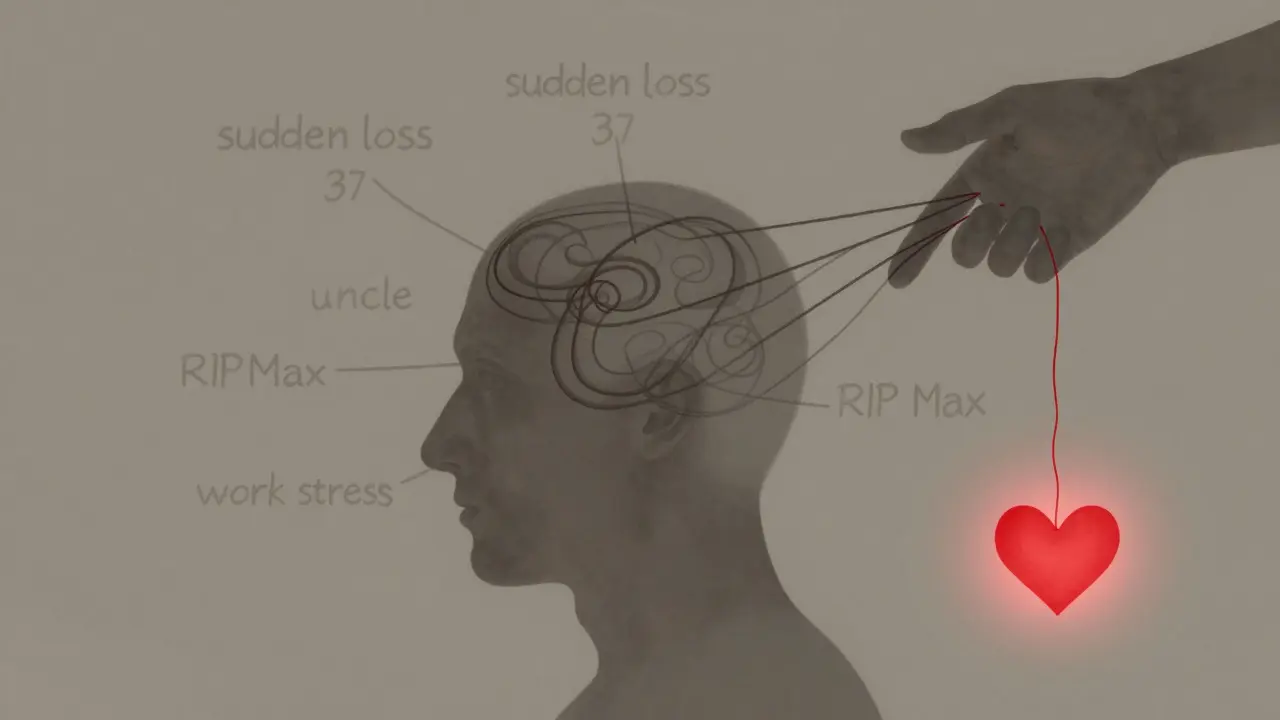
Pre-Show Research and Confessions
Some of Blaine’s most shocking moments come from people who reveal deeply personal information. A man cries when Blaine says his daughter’s name. A woman breaks down when he mentions her late husband’s nickname.
How?
He doesn’t read minds. He reads social media.
Before any public stunt, his team does background checks. They look at Facebook, Instagram, LinkedIn-any public profile. They find names, dates, locations, even pet names. Volunteers often don’t realize they’ve already told him everything before they even step on stage.
In one case, Blaine correctly named a woman’s childhood dog. She was stunned. But her Instagram bio had said, ‘RIP Max, 2005-2018.’ He didn’t read her mind. He read her profile.
The Power of the Audience
Blaine’s biggest tool isn’t his skill-it’s the crowd. When one person reacts with shock, others assume it’s real. Human brains are wired to follow social proof. If five people gasp, you start to believe too-even if you’re not sure why.
He also uses ‘plants’-people in the crowd who are in on the act. They ask leading questions. They react dramatically. They make the illusion feel real.
Ever notice how Blaine always performs in public spaces? That’s intentional. The more people watching, the more likely someone will react in a way that confirms the trick. It’s not magic. It’s statistics.

Why We Want to Believe
Here’s the uncomfortable truth: we want to believe in mind reading. We want to think there’s something beyond science. We want to believe we’re special enough for someone to know our secrets.
Blaine doesn’t trick us because he’s clever. He tricks us because we’re willing. He gives us a story that feels meaningful. A moment of connection. A glimpse into the impossible.
That’s why people cry. That’s why videos go viral. That’s why he makes millions.
What You Can Learn From His Tricks
You don’t need to be David Blaine to use these techniques. You can use cold reading to build deeper connections. You can use suggestion to influence conversations. You can use observation to understand people better.
Try this next time you talk to someone:
- Start with a vague statement: ‘I feel like you’ve been under a lot of pressure lately.’
- Watch their reaction.
- If they nod, ask: ‘Is it work? Or something personal?’
- Let them fill in the blanks.
You’re not reading their mind. You’re just paying attention.
It’s Not About the Trick-It’s About the Experience
David Blaine’s performances aren’t about proving he can read thoughts. They’re about creating moments of wonder. About making people feel seen. About reminding us that even in a world full of data, there’s still room for mystery.
He’s not a psychic. He’s a storyteller. And the best stories don’t need to be true to be powerful.
The real magic? You walked away feeling something. That’s not illusion. That’s human connection.
Can David Blaine really read minds?
No, David Blaine cannot read minds. His performances use psychological techniques like cold reading, misdirection, pre-show research, and audience suggestion. What feels like mind reading is carefully crafted illusion built on human behavior, not supernatural ability.
What is cold reading?
Cold reading is a technique where a performer makes broad, vague statements that are likely to apply to many people. They then observe the subject’s reactions to narrow down details. For example, saying ‘I sense someone close to you who passed suddenly’ works because most people have experienced loss. The subject fills in the rest, believing the performer knew it all along.
Do mentalists use hidden devices or technology?
Sometimes, but rarely in Blaine’s street performances. Most of his mind reading relies on psychology, not gadgets. In televised specials, he may use earpieces or pre-arranged signals, but these are exceptions. His reputation is built on tricks that work without tech-making them more impressive.
How do mentalists know what card I picked?
They don’t guess. They force the choice. A card might be positioned so it’s the only one you can easily pick. Or they use a technique called the ‘classic force,’ where they guide your hand without you realizing it. Sometimes they memorize the order of the deck. Other times, they use a ‘key card’ system to track your selection after you’ve shuffled.
Is it ethical for David Blaine to use personal information he finds online?
It’s controversial. While the information he uses is public, many people feel tricked when they realize their social media posts were used to make them cry on TV. Blaine’s team doesn’t always ask for permission. Ethically, it walks a line between performance and exploitation. But legally, since the data is public, it’s not illegal.
Can I learn to do mentalism like David Blaine?
Yes. Mentalism is a skill, not a gift. Books like ‘The Full Facts Book of Cold Reading’ by Ian Rowland and courses by performers like Derren Brown teach the exact techniques Blaine uses. You don’t need magic powers-you need practice, observation, and the courage to be wrong in front of people.
Aimee Quenneville
December 18, 2025 AT 13:10Cynthia Lamont
December 18, 2025 AT 16:36Kirk Doherty
December 19, 2025 AT 22:39Dmitriy Fedoseff
December 21, 2025 AT 20:14Meghan O'Connor
December 21, 2025 AT 20:43Morgan ODonnell
December 22, 2025 AT 09:54Liam Hesmondhalgh
December 23, 2025 AT 07:06Patrick Tiernan
December 24, 2025 AT 19:56Patrick Bass
December 25, 2025 AT 01:03Tyler Springall
December 26, 2025 AT 12:13Colby Havard
December 28, 2025 AT 08:03Amy P
December 29, 2025 AT 09:49Ashley Kuehnel
December 29, 2025 AT 18:58adam smith
December 30, 2025 AT 10:13Mongezi Mkhwanazi
December 31, 2025 AT 11:30