

Ever watched a mentalist guess your secret number, name your dead relative, or predict what you wrote on a slip of paper-and wondered how they did it? It’s not magic. It’s not psychic powers. It’s psychology, misdirection, and decades of practiced technique. Mentalists don’t read minds. They read people. And once you know how, the tricks don’t feel so mysterious anymore.
They Don’t Guess-They Narrow It Down
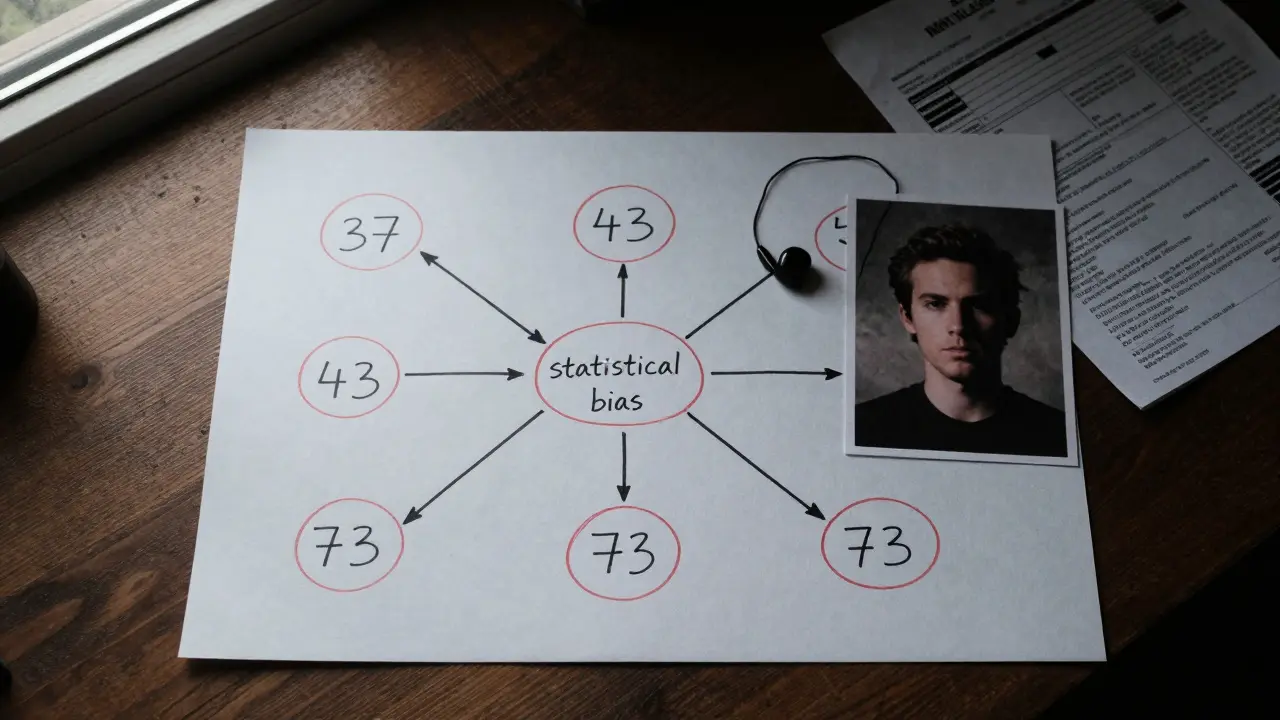
One of the most common mentalism tricks is the "thought of a number" routine. You think of a number between 1 and 50. The mentalist says, "I’m getting a 37." You’re stunned. But here’s the truth: most people pick 37. It’s not random. Studies show that when asked to pick a random number between 1 and 100, people avoid multiples of 10 and numbers at the edges. They go for odd numbers in the middle. 37, 73, 43, 27-those are the top picks. A skilled mentalist doesn’t guess. They know the statistical bias. They’ll name one of those numbers first. If they’re wrong, they’ll say, "Hmm, I’m getting something else... maybe 43?" and keep adjusting until they land on something close. It’s not mind reading. It’s pattern recognition.
Cold Reading: The Art of Making Vague Statements That Feel Personal
Cold reading is the backbone of most mentalist performances. It’s not magic. It’s language. A mentalist says something like, "I sense someone close to you passed away recently-maybe a man with a strong presence?" You think, "That’s my dad." But here’s what they actually did: they used high-probability statements. Almost everyone has lost someone. Most people have lost a parent. Most parents are men. "Strong presence"? That could mean tall, loud, authoritative, or even just someone who was emotionally intense. The mentalist doesn’t need to know your dad. They just need to say something that’s likely true for 80% of people. Then they watch your reaction. A slight nod, a tear, a sharp breath-those are their clues. They’ll follow up: "He was proud of you, wasn’t he?" Now you’re nodding along. You’re not being fooled-you’re filling in the blanks yourself.
Hot Reading: The Dirty Secret Behind "I Know Your Secrets"
Some mentalists don’t rely on psychology alone. Some use hot reading-getting information ahead of time. It’s not illegal, but it’s not ethical. This happens in private shows, corporate events, or even televised performances. A stagehand might chat with audience members before the show. A fake survey might collect names and personal details. Someone in the crowd might be a plant. A mentalist might have access to social media profiles-people post more than they think. One famous mentalist was caught using a hidden earpiece to receive info from an assistant who had researched the audience ahead of time. It’s not mind reading. It’s espionage.

Forced Choice: Making You Think You’re Choosing Freely
"Pick a card. Any card." But you don’t really get to pick any card. The mentalist controls the options. Maybe they subtly guide your hand. Maybe they use a "force"-a technique where they make you pick the card they want without you realizing it. There are dozens of ways: the classic "Hamman force," where they show the card you’re supposed to pick last, making it feel like the natural choice. Or the "Classic Force," where they fan the cards and press lightly on the one they want you to pick. You think you chose freely. You didn’t. It’s like being handed a menu with only one dish you actually like-and being told you picked it yourself.
Memory Systems and Mnemonics: The Real "Superhuman" Trick
Some mentalists memorize entire decks of cards, lists of 100 random numbers, or the names of 50 strangers in under a minute. They’re not geniuses. They use memory systems that have existed for thousands of years. The Method of Loci, for example, involves mentally placing items along a familiar route-like your childhood home. Each room holds a number or name. When they need to recall, they walk through the house in their mind. A mentalist might memorize 50 names by linking them to objects in the room: "Sarah" becomes a teapot, "Mike" becomes a lamp. It’s not magic. It’s training. Anyone can learn it. But most people never bother.
Misdirection: What You’re Not Looking At
When a mentalist asks you to focus on their eyes, they’re not trying to hypnotize you. They’re making sure you’re not watching their hands. Misdirection isn’t just about distraction-it’s about controlling attention. If they’re about to palm a coin, they’ll make a big gesture with their other hand. They’ll laugh at a joke you didn’t hear. They’ll ask you a personal question right when they need to switch something. Your brain is wired to follow emotion, movement, and eye contact. Mentalists exploit that. You’re not dumb. You’re just human.
Body Language and Microexpressions: Reading the Unspoken
People give away more than they know. A slight hesitation before answering. A blink that’s too fast. A hand that tugs at a collar. A voice that cracks when lying. Mentalists train to spot these cues. One study from the University of California found that people lie through microexpressions-facial movements lasting less than half a second. A mentalist might ask, "Have you ever lied to someone you love?" and watch your face. If you flinch, they’ll say, "I’m sensing guilt... about a family member?" You didn’t tell them anything. But your body did. And they’ve seen this reaction a hundred times before.
Why It Feels Like Magic
Here’s the real trick: mentalists don’t fool you with impossibility. They fool you with plausibility. They give you just enough truth to make the lie feel real. They use your own assumptions against you. You assume they’re reading your mind because you’ve seen it on TV. You assume they’re special. But they’re not. They’re just good at understanding how your brain works. The same way a magician knows your eyes follow motion, a mentalist knows your mind fills in gaps. They don’t need supernatural powers. They just need to know you’ll believe what you want to believe.
Can You Learn These Tricks?
Yes. And you probably already have. Ever told a friend, "I knew you were going to say that"-and you didn’t? That’s cold reading. Ever picked a number because it "felt right"? That’s statistical bias. Ever noticed someone’s nervous tic and guessed they were lying? That’s microexpression reading. Mentalism isn’t about secrets hidden in smoke and mirrors. It’s about secrets hidden in plain sight-in how we think, speak, and react. The best mentalists aren’t magicians. They’re psychologists with stage presence.
Do mentalists really have psychic powers?
No. There’s no scientific evidence for psychic abilities. Every mentalist trick has been explained through psychology, sleight of hand, misdirection, or prior research. Even famous mentalists like Uri Geller and John Edward were exposed using cold reading, hot reading, and showmanship. What feels like supernatural insight is just expert human observation.
Are mentalism tricks dangerous or manipulative?
It depends on how they’re used. On stage, it’s entertainment. But in private settings-like spiritual readings or "psychic counseling"-it can be harmful. People grieving a loss may spend hundreds of dollars believing they’re connecting with a dead loved one. That’s exploitation. Ethical mentalists make it clear they’re performers, not mediums. They don’t claim supernatural powers. They leave the magic in the show, not in the person’s life.
How can I tell if a mentalist is using cold reading?
Listen for vague, broad statements that could apply to almost anyone: "I sense a change coming," "Someone from your past is watching over you," "You’ve been feeling unappreciated." If they never ask direct questions and instead wait for you to confirm their guesses, it’s cold reading. Real mind reading would involve specific, verifiable details-like a name, date, or event you’ve never shared. If they can’t do that, they’re reading your reactions, not your thoughts.
Can I practice mentalism tricks on my friends?
You can, but be careful. Using these techniques to make someone feel seen or understood can be powerful. But using them to trick someone into believing you have special powers is unethical. Try it as a game: ask a friend to think of a number between 1 and 50. Guess 37. See their reaction. Then explain how it works. Turn it into a lesson in human behavior, not a deception.
Why do mentalists wear suits and use dramatic lighting?
It’s theater. The suit makes them look authoritative. The dim lighting hides subtle hand movements. The silence builds tension. The slow speech makes you feel like they’re deeply focused. All of it primes you to believe something extraordinary is happening. It’s the same reason doctors wear white coats. It’s not about skill-it’s about perception. The trick isn’t just in the mind. It’s in the room.
Aafreen Khan
December 29, 2025 AT 12:50Pamela Watson
December 30, 2025 AT 23:04michael T
January 1, 2026 AT 20:58Christina Kooiman
January 3, 2026 AT 01:36Stephanie Serblowski
January 4, 2026 AT 22:47Renea Maxima
January 5, 2026 AT 19:17Jeremy Chick
January 6, 2026 AT 05:49Sagar Malik
January 7, 2026 AT 16:00Seraphina Nero
January 8, 2026 AT 13:50Megan Ellaby
January 10, 2026 AT 13:36