
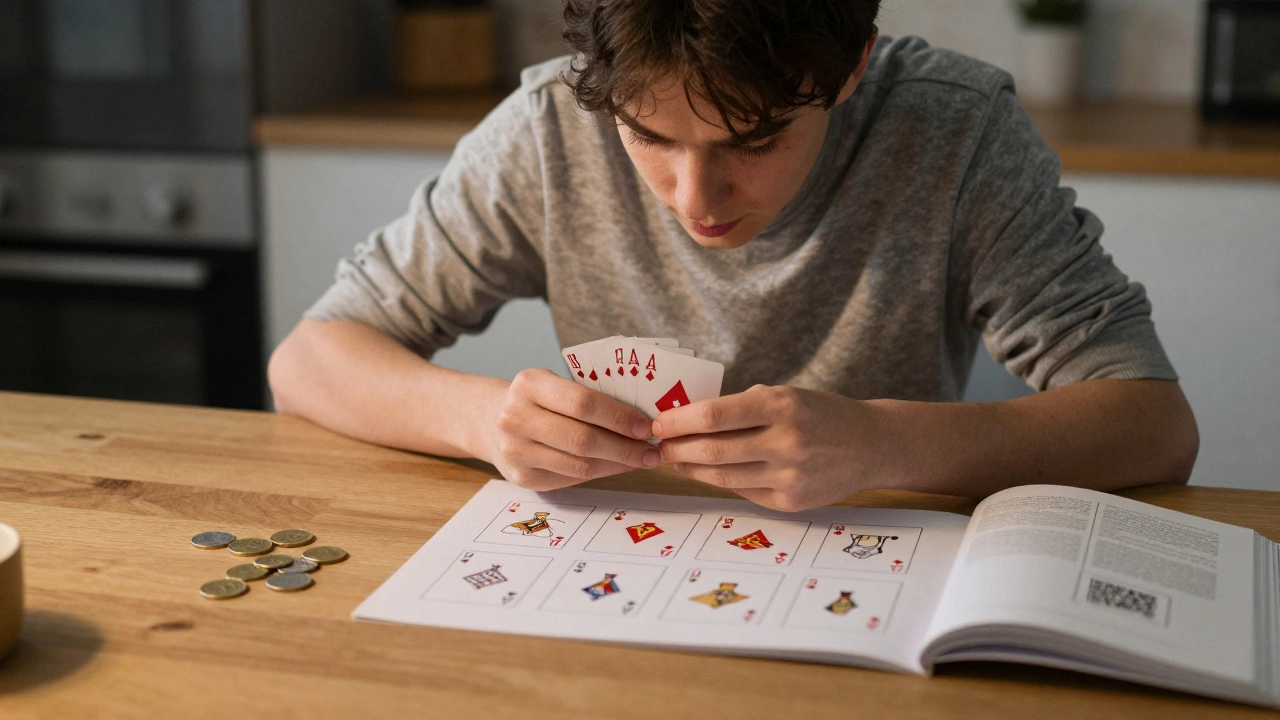
Ever watched a magician pull a rabbit out of a hat and thought, ‘I could never do that’? You’re not alone. Most people assume magic is some secret art reserved for lifelong performers with decades of practice. But here’s the truth: magic tricks aren’t hard to learn-if you start the right way.
Most magic tricks are designed for beginners
You don’t need to be a genius or have nimble fingers like a concert pianist. Modern magic trick kits are built for people who’ve never held a deck of cards before. Take the classic card force or the floating coin-both are taught in beginner kits with step-by-step instructions, practice tools, and even video tutorials. These aren’t just gimmicks. They’re real illusions that fool real people, and they’re engineered to work with minimal skill.Why? Because magic companies know most buyers are curious adults, not aspiring professionals. They don’t want you to spend six months learning sleight of hand. They want you to perform something that blows someone’s mind by Friday night.
What makes magic feel hard (and how to skip it)
The reason people think magic is hard is because they see the wrong parts. They watch a magician’s hands and think, ‘That move must take years’. But here’s what they miss: the real magic isn’t in the hand movement-it’s in the misdirection, the timing, and the story.Let’s say you’re doing a simple trick: making a coin disappear. You don’t need to palm it perfectly on the first try. You just need to talk while you do it. Say something funny. Ask the person a question. Make them laugh. Their brain shifts focus. That’s when the coin vanishes. You didn’t need flawless technique-you needed a distraction.
Most beginners fail because they obsess over perfecting the move. They practice the same motion 50 times, frustrated when it doesn’t look smooth. But magic doesn’t reward perfection. It rewards confidence and rhythm. Do the move once, then move on. Speak. Smile. Make eye contact. That’s what sells the illusion.
What’s in a good magic trick kit for beginners
Not all magic kits are equal. A good one for someone starting out includes:- 5-8 foolproof tricks with clear instructions
- Props that are durable and easy to handle (no flimsy plastic)
- A printed guide with photos, not just text
- Access to video demos (QR code or link)
- Tricks that use everyday items (cards, coins, rubber bands)
Avoid kits that promise 100 tricks with tiny, broken props. Those are toys. Real beginner kits focus on mastery, not quantity. The best ones let you learn three tricks really well-so you can perform them confidently in front of friends.
You don’t need to be a performer to enjoy magic
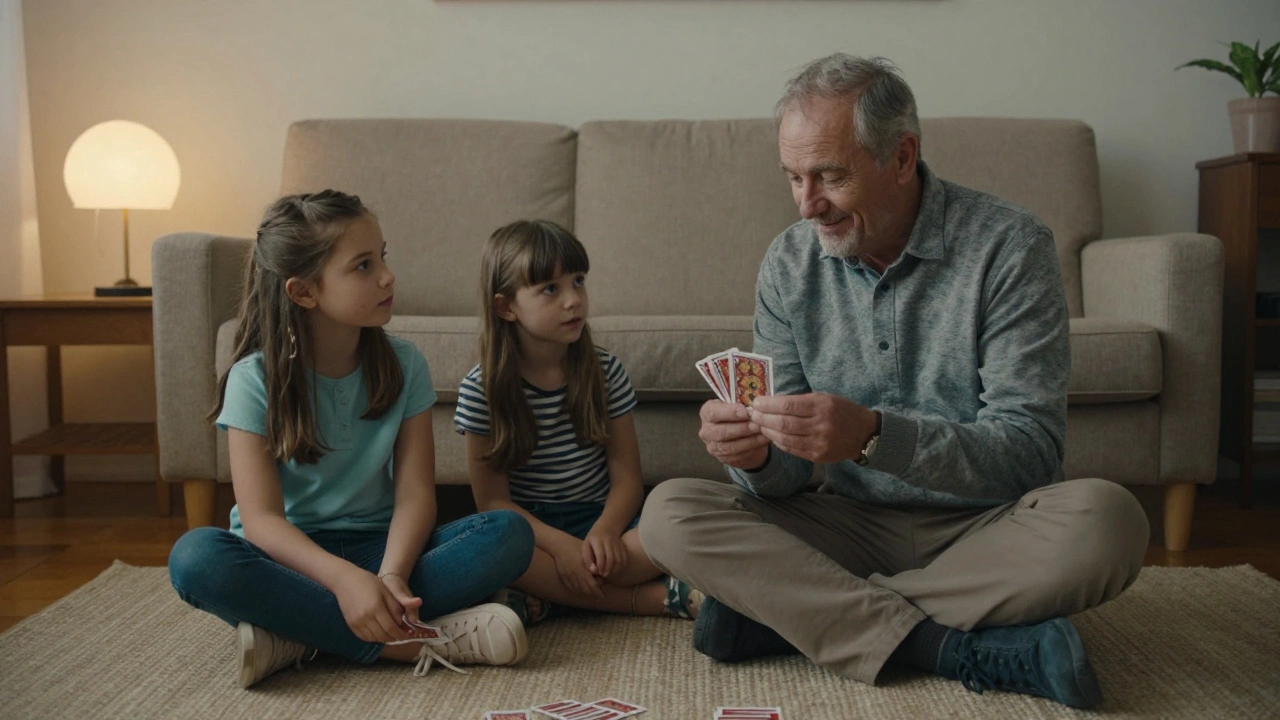
A lot of people think magic is about stage presence or being the life of the party. That’s not true. You can do magic quietly. At dinner. On a walk. While waiting in line. A simple trick that makes someone say, ‘Wait, how did you do that?’ is enough. You don’t need applause. You just need that moment of surprise.One man I know, a librarian in his 60s, learned a card trick from a $20 kit. He does it for grandkids on Sunday visits. No lights. No music. Just him, a deck of cards, and their wide eyes. He says it’s the best part of his week. Magic isn’t about being famous. It’s about creating wonder.
How long does it really take to learn?
With a decent beginner kit, you can learn your first trick in under 20 minutes. Most people can perform it confidently after two or three tries. That’s it. No practice sessions. No drills. Just watch, try, and repeat.After a week of casual practice-maybe 10 minutes a night-you’ll be able to do three solid tricks. That’s enough to impress anyone. You won’t be David Copperfield. But you won’t need to be. Magic doesn’t demand mastery. It rewards curiosity.

What most beginners get wrong
Here are the three biggest mistakes people make:- Trying to learn too many tricks at once. Focus on one. Master it. Then move to the next.
- Practicing in front of a mirror. Mirrors show you the move, not how it looks to someone else. Practice on a friend, a pet, or even a stuffed animal.
- Waiting until they’re ‘ready’. There’s no such thing as ready. Do it when you’re nervous. Do it when you’re tired. Magic gets better when you’re not perfect.
One woman told me she learned her first trick while waiting for her coffee. She practiced on the barista. He laughed. Then he asked her to show him again. That’s the moment magic works-not when you’re flawless, but when you’re brave enough to try.
Where to start today
If you want to try magic, here’s what to do right now:- Find a beginner magic trick kit under $30 (Amazon, local hobby shops, or magic specialty stores)
- Choose one that includes cards or coins-these are easiest to practice anywhere
- Set aside 15 minutes tonight to watch the video and try the first trick
- Perform it for someone tomorrow-even if it’s just your roommate or your dog
You don’t need talent. You don’t need time. You just need to start.
Are magic tricks hard to learn for adults?
No, magic tricks aren’t hard for adults. Most beginner tricks are designed with adult learners in mind. You don’t need childhood training or natural talent. All you need is curiosity and a willingness to try. Magic trick kits include clear instructions and props that make it easy to succeed-even if you’ve never done it before.
Do I need special tools to learn magic?
You don’t need expensive gear. A good beginner kit includes everything: cards, coins, rubber bands, and gimmicked props. These are built to work reliably. Avoid kits that require you to buy extra items later. Stick with ones that give you all the tools upfront. You can even start with just a deck of cards and a free YouTube tutorial.
How long does it take to get good at magic?
You don’t need to be ‘good’ to be impressive. Most people can perform a convincing trick after just a few hours of practice. If you spend 10-15 minutes a day for a week, you’ll know three solid tricks. Real skill comes from performing, not practicing. The more you do it in front of people, the better you get-not because your hands improve, but because your confidence does.
Can kids and adults learn the same magic tricks?
Yes, many beginner tricks work for all ages. The same coin vanish or card trick that impresses a 7-year-old also works on a 70-year-old. The difference isn’t the trick-it’s how you present it. Kids respond to surprise. Adults respond to mystery. The same move can be told as a silly game or a clever puzzle. Magic adapts to the audience.
Is it worth buying a magic trick kit?
If you want to try magic without wasting money, yes. A $20-$30 kit gives you everything you need: props, instructions, and video help. It’s cheaper than a movie ticket and lasts longer. You’ll get more laughs and reactions than you will from scrolling through social media. Plus, you’ll have a fun skill you can use anytime-with friends, family, or even strangers.
Final thought: Magic is a gift you give yourself
Learning magic isn’t about becoming a star. It’s about rediscovering wonder. It’s about the quiet joy of making someone pause, blink, and say, ‘Wait, how?’ That moment? It’s priceless. And you don’t need to be an expert to create it.Start small. Try one trick. Do it once. See what happens. You might just surprise yourself.
Mark Brantner
December 4, 2025 AT 09:41bro i tried a coin trick on my cat yesterday and he just stared at me like i was the weird one lmao
Kate Tran
December 5, 2025 AT 08:19i bought a $15 kit last month just to see if i could do it… turns out i can? now i do it at family dinners and everyone acts like i’ve summoned a ghost. weirdly satisfying.
amber hopman
December 5, 2025 AT 11:35the part about practicing on a stuffed animal hit me right in the soul. i did that. my dog just sighed and walked away. but my niece screamed and clapped. worth it.
Jim Sonntag
December 6, 2025 AT 09:47magic isn't hard you just need to be bold enough to look dumb in front of someone. i did a card trick to my boss during a meeting. he didn't laugh. he just nodded and said 'interesting'. i think he's scared of me now
Deepak Sungra
December 8, 2025 AT 05:28yo i learned a trick last night and did it to my cousin and he literally jumped off the couch like i turned his phone into a snake. that’s the energy we need. magic is just confidence with props. also i’m not telling you how i did it. you’ll figure it out or you won’t. life’s like that
Samar Omar
December 9, 2025 AT 21:29While I appreciate the sentiment behind this piece, I must say that the entire premise is dangerously reductive. Magic, as an art form, has been cultivated over centuries through rigorous discipline, metaphysical understanding, and psychological mastery-reducing it to ‘a $30 kit and a QR code’ is not just naive, it’s culturally irresponsible. The real magic lies not in the trick, but in the lineage, the secrecy, the sacred rituals passed down through generations of conjurers who understood that wonder cannot be commodified like a TikTok filter. This modern ‘magic for dummies’ culture is eroding the very essence of illusion. I’m not saying don’t try it-but please, for the love of Houdini, don’t call it magic if you learned it from a YouTube video while eating cereal.
chioma okwara
December 9, 2025 AT 22:00you said 'you dont need talent' but you also said 'do it when you're nervous' and 'confidance is key' so technically you DO need talent because confidence is a personality trait not a skill you can learn in 15 min. also the word 'gimmicked' is not a word it's 'gimmicky' or 'gimmick' stop misusing words
Tamil selvan
December 10, 2025 AT 20:20I must commend the author for presenting such a thoughtful and accessible introduction to the art of illusion. While many may dismiss magic as mere entertainment, I believe it holds profound value as a tool for human connection. The emphasis on misdirection over technical perfection is particularly insightful-it mirrors the essence of empathy: not being flawless, but being present. I have introduced this approach to my students at the community college, and several have reported increased confidence in social interactions after performing simple tricks. It is not about the card or the coin-it is about the shared moment of wonder. A small act, indeed, but one that ripples outward.
John Fox
December 12, 2025 AT 11:31did the trick on my neighbor's kid. he asked for a second. i said no. he cried. i felt like a wizard