
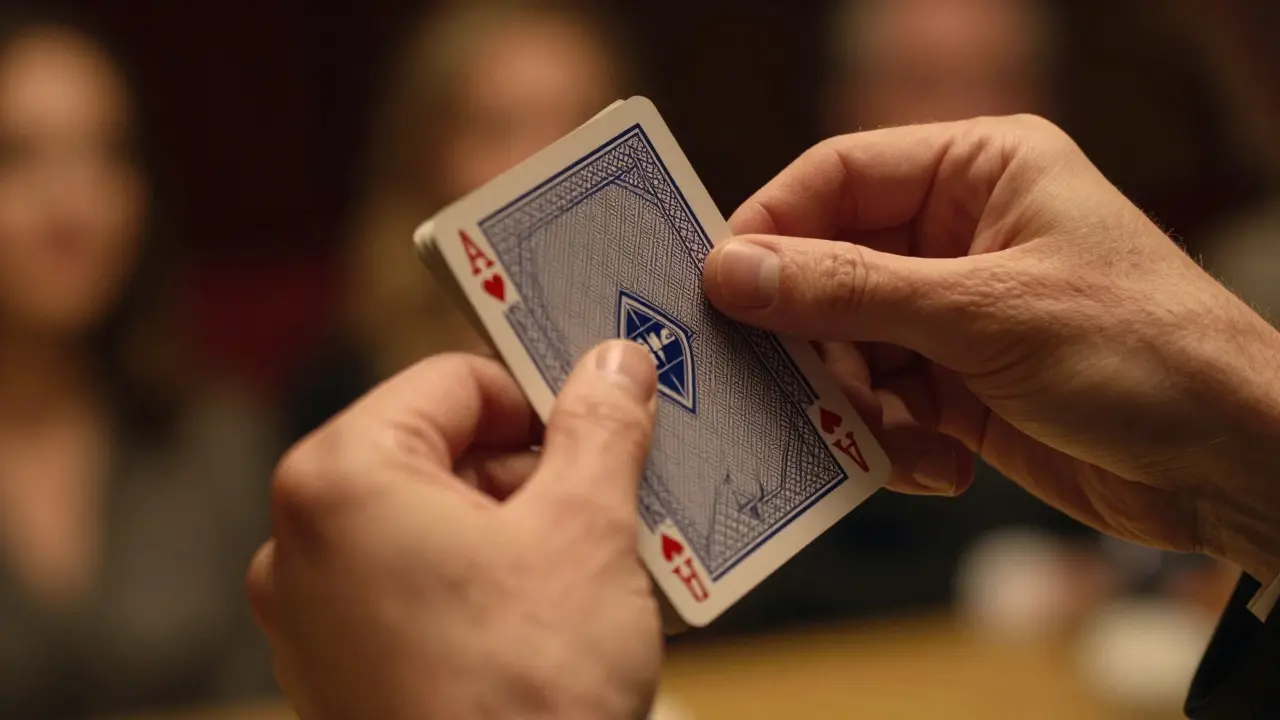
Ever watched a magician make a card vanish, pull a rabbit from an empty hat, or see someone float in midair-and wondered, how in the world did they do that? It’s not magic. It’s science, practice, and clever thinking. People don’t summon supernatural forces. They use psychology, misdirection, and years of repetition to fool your brain. If you’ve ever tried to learn a magic trick and failed, it’s not because you’re clumsy. It’s because you were missing the real secrets behind the scenes.
It’s Not About Hiding the Trick - It’s About Controlling Attention
Most people think magic is about hiding something. You’ve probably seen videos where someone says, ‘The secret is in the left hand!’ But that’s misleading. The real secret isn’t where the object is hidden-it’s where your attention isn’t.Psychologists call this misdirection. It’s not a physical move. It’s a mental one. A magician will make eye contact, smile, ask you a question, or even cough loudly-all to make you look away from the critical moment. Your brain is wired to follow movement, emotion, and sound. Magicians exploit that. One study from the University of Glasgow showed that when magicians used verbal misdirection-saying ‘Look at the top card’ while actually performing the move below-the audience missed the action 78% of the time, even when they were staring right at it.
That’s why learning magic isn’t about memorizing hand motions. It’s about learning how to guide someone’s focus. Practice your smile. Time your pause. Use your voice like a spotlight. The trick works even if someone sees the move-if they’re not paying attention when it happens.
The Three Pillars of Every Magic Trick
Every trick, no matter how flashy, is built on three core elements:- Sleight of Hand - Physical manipulation. Palm a coin. Force a card. Ditch a prop. This is what most beginners focus on. But without the other two, it’s just a clumsy hand gesture.
- Misdirection - As explained above. This is what separates amateurs from pros.
- Psychological Framing - How you tell the story. If you say, ‘I’m going to make this card disappear,’ your audience expects a vanish. If you say, ‘I wonder if this card will end up in your pocket?’ they start imagining possibilities. That opens the door for the trick to work without them realizing they were led.
Take the classic ‘Three-Card Monte.’ It looks simple: three cards, one queen, shuffle them fast. But the real trick isn’t the shuffle. It’s the dealer’s body language. They lean in, laugh, point at the wrong card, and make you feel smart for choosing. You think you’re outsmarting them. You’re not. You’re being guided.

How to Start Learning Magic Tricks (Without Buying a Kit)
You don’t need expensive props. You don’t need a stage. You just need a deck of cards and 15 minutes a day.Start with this: the double lift. It’s the foundation of dozens of card tricks. Here’s how to practice it:
- Hold the deck face down in your left hand.
- Use your right thumb to lift the top two cards as one. Your fingers should grip the bottom card so it doesn’t move.
- Slide the two cards up slightly, then drop them back as if they were one.
- Do this 50 times without looking. Then do it in front of a mirror.
- Once you can do it smoothly, practice while talking. Say your name. Ask someone what their favorite color is. The goal? Make it look natural.
That’s it. No fancy tools. No secret gadgets. Just muscle memory and timing. After a week, try this trick: ‘The Ambitious Card’. Put a card in the middle of the deck. Then make it rise to the top, one at a time. Sounds impossible? It’s not. It’s just the double lift, repeated with a little misdirection.
Why Most Magic Tutorials Fail
YouTube is full of ‘Easy Magic Tricks for Beginners.’ But most of them skip the real stuff. They show you how to move your fingers, but not how to make someone believe you. They don’t teach you how to pause. How to breathe. How to let silence do the work.One popular tutorial teaches you to ‘make a coin disappear’ using a sponge ball. But if you try it in real life, people immediately say, ‘Wait, did you drop it?’ Why? Because the tutorial didn’t teach you to distract them first. You need to say, ‘Watch the coin… now watch my hand… now look at my other hand.’ That’s not in the video. That’s the trick.
Real magic isn’t about the move. It’s about the moment before the move. The look. The pause. The question. The laugh. That’s what makes people forget to look where they should.
Common Mistakes Beginners Make (And How to Fix Them)
- Mistake: Trying to do too many tricks at once. Fix: Master one trick for 30 days. Do it in front of a mirror. Then do it for five friends. Then do it in public. Repetition builds confidence.
- Mistake: Talking too much during the trick. Fix: Silence is powerful. Let the audience fill the gap with their own thoughts. A well-timed pause makes people lean in.
- Mistake: Performing for people who already know magic. Fix: Start with kids or people who’ve never seen magic. Their reactions are pure. You’ll learn what works.
- Mistake: Believing you need to be ‘good’ to perform. Fix: Magic isn’t about perfection. It’s about connection. A shaky hand? Laugh it off. Say, ‘I’m still learning.’ People love honesty more than flawless execution.
The Real Secret: Magic Is About Connection
The best magicians aren’t the ones with the fastest hands. They’re the ones who make you feel like you’re part of the trick. They look you in the eye. They let you choose the card. They ask you to hold the coin. They turn you from a spectator into a participant.That’s why a street magician in Tokyo can make a $100 bill vanish-and the person who lost it still laughs, even after they realize it’s gone. They didn’t just see a trick. They felt like they were in on it.
So if you want to learn magic, stop searching for ‘the secret.’ Start practicing how to make someone feel curious. How to make them lean forward. How to make them forget to look where they should. That’s the real magic. And it’s something anyone can learn.
Can anyone learn magic tricks, or do you need special talent?
Anyone can learn magic tricks. You don’t need special talent-just patience. Magic is a skill, not a gift. It’s like riding a bike or playing guitar. Some people pick it up faster, but everyone can learn. The key is consistent practice, not natural ability. Most professional magicians started by messing up in front of their family. They kept going.
Do magicians really have supernatural powers?
No. Magicians don’t have supernatural powers. Everything they do is based on physics, psychology, and human perception. A floating person? It’s wires, mirrors, or clever staging. A card that appears out of nowhere? It was hidden, switched, or planted before the trick started. Science explains every trick. The illusion is in how your brain interprets what it sees-and magicians know exactly how to trick it.
What’s the easiest magic trick to learn for beginners?
The easiest trick for beginners is the ‘Classic Force’-making someone pick a specific card without them realizing it. All you need is a deck of cards. You control the choice by subtly guiding their hand or using a technique called the ‘Hamman Force.’ It takes less than 10 minutes to learn and works every time if you practice the timing. No props, no sleight-of-hand complexity. Just psychology.
How long does it take to get good at magic tricks?
You can learn a simple trick in a day. But getting good? That takes weeks. Most magicians spend 30-60 days mastering one trick before moving on. The goal isn’t to memorize dozens of moves. It’s to perform one trick so well that people still ask how you did it weeks later. Quality beats quantity every time.
Why do magic tricks work even when people know they’re tricks?
Because magic doesn’t rely on ignorance. It relies on expectation. Even if someone knows there’s a trick, they still don’t know how it was done. A magician might say, ‘I’m going to make this coin disappear.’ The audience knows it’s not real magic-but they still watch, waiting to catch the method. That’s the thrill. Magic isn’t about fooling people. It’s about inviting them into a moment of wonder, even when they’re skeptical.