
How much does a magic trick cost? If you’ve ever stared at a magic kit online and wondered if it’s worth the price, you’re not alone. The answer isn’t simple-it depends on what you want, who you are, and how serious you are about learning. Some magic tricks cost less than a pizza. Others run into hundreds of dollars. And not every expensive trick is better. Let’s cut through the noise and show you exactly what you’re paying for.
What’s in a magic trick kit?
A magic trick kit isn’t just a box of props. It’s a complete learning system. Most beginner kits include:
- Physical props (cards, coins, ropes, boxes)
- Instructional DVD or online video access
- Written instructions or a manual
- Storage case or pouch
- Accessories like gimmicks, secret compartments, or gimmicked coins
Some kits even include a performance script or tips on audience management. The best ones don’t just teach you how to do the trick-they teach you how to make it feel real. That’s where the real value lies.
Beginner kits: $15 to $50
If you’re new to magic, start here. These kits are designed for curiosity, not professionalism. You’ll find them on Amazon, in toy stores, or at magic shops. Brands like Vanishing Inc. a well-known magic supplier offering beginner-friendly kits with quality props and clear instructions and Hess Magic a brand known for affordable, well-designed beginner kits with practical tricks offer solid options.
For around $25, you can get a complete card magic set with a deck of Bicycle cards, a double-sided card, a false shuffle guide, and a 30-minute video tutorial. You’ll learn tricks like the Ambitious Card, the Classic Force, and a simple card vanish. These aren’t stage illusions-they’re close-up tricks you can do at a dinner table. And they work. I’ve seen 12-year-olds blow their families away with a $20 kit.
What you won’t get: high-end props, custom gimmicks, or advanced techniques. But you also won’t waste money on stuff you’ll never use.
Intermediate kits: $60 to $150
This is where magic starts to feel real. Intermediate kits are for people who’ve done a few tricks, liked the reaction, and want to go deeper. These kits often include:
- Custom-made gimmicks (like a double-ended coin or a trick deck)
- Multiple routines (3-5 full tricks)
- Professional-grade instructional material
- Optional live coaching or community access
A popular example is the Ellusionist’s "Beginner’s Magic Collection" a curated set of 5 tricks with downloadable video lessons and custom props. It costs $99 and includes a trick where a signed card appears in a sealed envelope. The gimmick alone is worth the price-it’s durable, looks normal, and doesn’t scream "magic."
At this level, you’re paying for design, not just materials. A $120 kit might include a trick that takes 10 minutes to set up but looks like a movie moment. That’s the difference between a party trick and something that makes people whisper, "How did you do that?"
Professional-grade kits: 0 to 0+
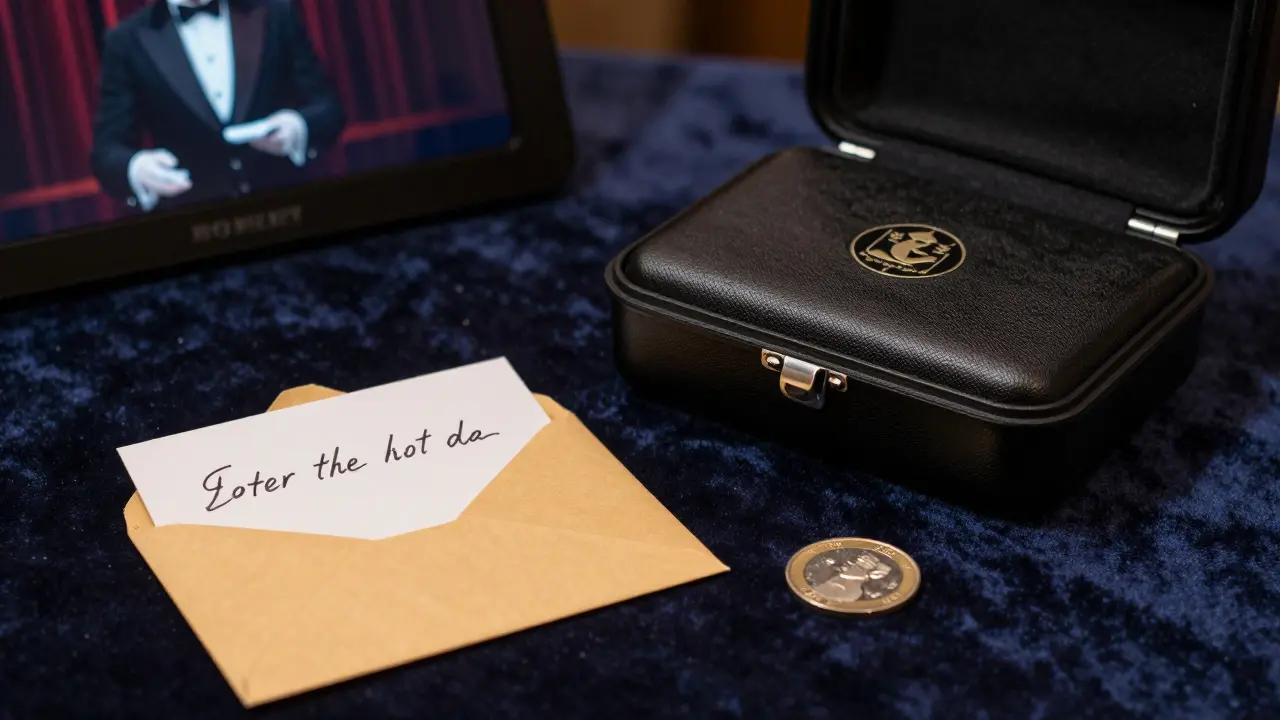
These aren’t for beginners. They’re for performers, serious hobbyists, or people who want to do magic as a side gig. These kits often come from top magicians like David Blaine a renowned street magician whose signature tricks have inspired high-end commercial kits or Dynamo a British illusionist known for televised street magic that has led to licensed trick kits.
One kit I’ve seen costs $450 and includes:
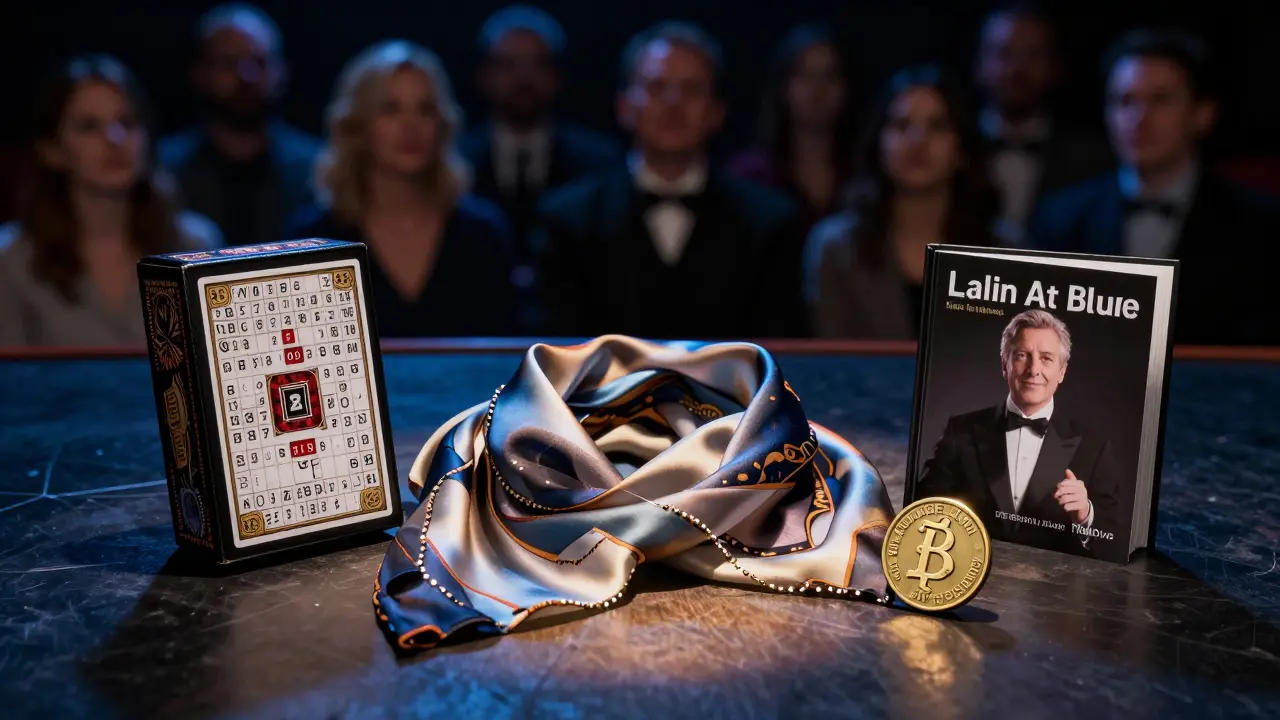
- A custom-printed deck of cards with a hidden code system
- A gimmicked coin that changes weight based on grip
- A silk scarf with a secret thread mechanism
- Three full stage routines with lighting cues
- A 2-hour video course from a professional magician
That’s not a toy. That’s a performance tool. And yes, it’s expensive-but it’s also the only way to learn certain techniques without years of private lessons. The props are made in limited runs, often by hand. The instruction is filmed on a studio set with close-ups you can’t get from YouTube.
What you’re really paying for
It’s easy to think you’re just buying a gimmick. But you’re not. You’re buying:
- Time-no one learns magic from a 5-minute TikTok. A good kit saves you months of trial and error.
- Confidence-cheap props break. Bad instructions confuse. A well-made kit lets you focus on performance, not mechanics.
- Access-some kits include membership to private forums or live Q&As. That’s rare, but valuable.
- Design-a $500 trick might look like a regular wallet. That’s not magic. That’s craftsmanship.
There’s a reason magicians don’t use dollar-store supplies. A gimmick that looks fake ruins the illusion. A prop that breaks mid-performance ruins your reputation.
Where not to spend your money
Not all magic kits are created equal. Avoid these traps:
- Overpriced "amazing" kits on Amazon-if it promises "100 tricks in one box," it’s junk. Real magic is about mastery, not quantity.
- YouTube "free" trick packs-they teach one trick, then push you to buy more. You’ll end up spending more than a real kit.
- Used kits with missing pieces-magic relies on exact components. A missing gimmick means the trick won’t work.
- Kits with no video instruction-if it only has a PDF, you’re on your own. Magic is visual. You need to see it done.
What to look for before buying
Here’s a quick checklist:
- Does it include video instruction? (Not just text.)
- Are the props durable and realistic-looking?
- Is the trick actually doable? (Try to find a demo online.)
- Is there a return policy? (Some magic shops let you return if you hate it.)
- Who made it? (Stick to known brands: Vanishing Inc., Ellusionist, Theory11.)
And here’s a rule of thumb: if the kit costs less than $20, assume it’s a toy. If it’s over $100, ask yourself: "Will I use this more than once?"
Real-world example: My nephew’s first trick
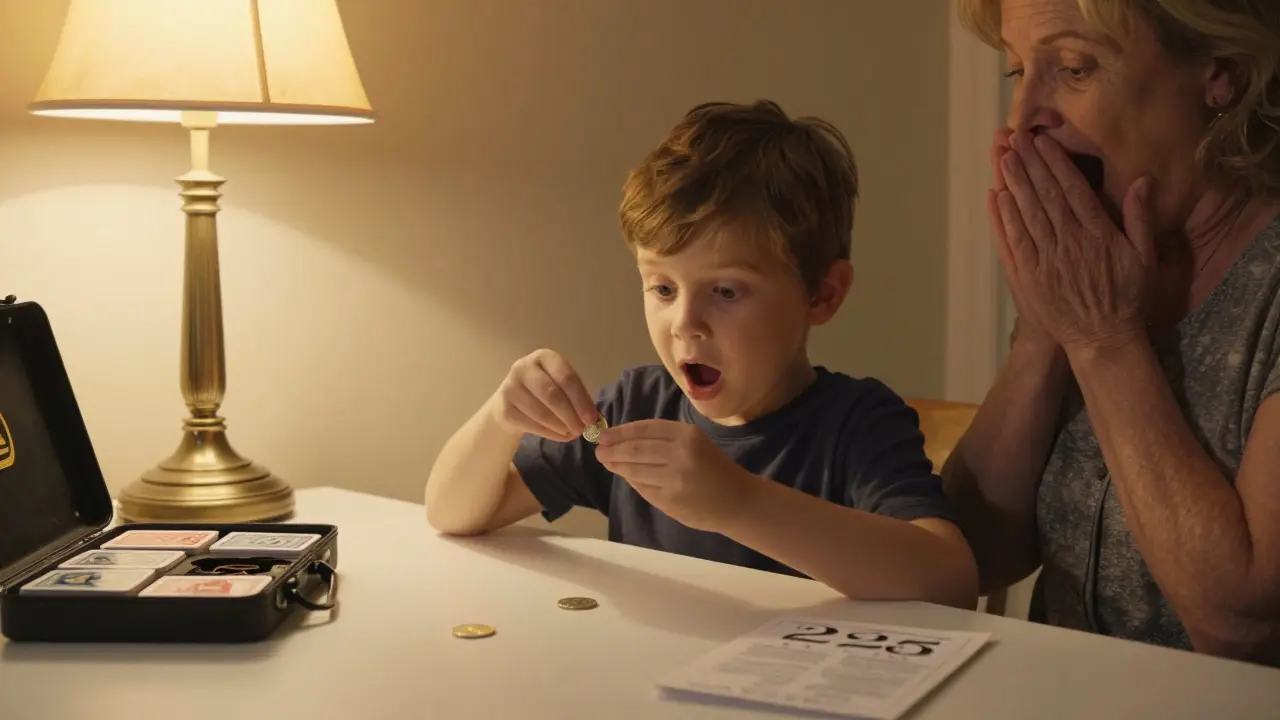
Last Christmas, I gave my 10-year-old nephew a $27 beginner kit. It had a trick where a coin passed through a table. He practiced for three days. Then he did it at Thanksgiving dinner. His grandma screamed. His uncle cried. His cousin tried to steal the coin to "figure it out."
That’s the magic of a good kit. It doesn’t cost much. But it gives you something priceless: the ability to make someone believe the impossible.
Are magic trick kits worth the money?
Yes-if you choose the right one. A $25 beginner kit can give you more value than $200 in random gimmicks. The best kits teach you how to perform, not just how to manipulate objects. If you’re serious about learning, even a modest investment pays off in confidence, entertainment, and repeat performances.
Can I make my own magic tricks instead of buying a kit?
You can, but it’s risky. Most homemade tricks look fake or break easily. Professional magic relies on precision. A gimmicked card from a $50 kit is engineered to last thousands of uses. A DIY version might fall apart after one show. Unless you have access to props, tools, and experience, buying a kit saves time, money, and embarrassment.
What’s the cheapest way to start learning magic?
Buy a $15-$25 beginner kit from a trusted brand like Vanishing Inc. or Hess Magic. Avoid free YouTube "tricks" that lead to upsells. A real kit gives you props, instructions, and a foundation. You can always upgrade later. Starting cheap often ends up costing more in the long run.
Do I need to buy more props after a kit?
Not right away. A good kit includes everything you need for 5-10 solid tricks. But once you’re comfortable, you’ll naturally want to expand. A standard deck of Bicycle cards, a silk handkerchief, and a small box are affordable additions. Don’t rush it. Master what you have before buying more.
Is there a difference between magic kits for kids and adults?
Yes. Kids’ kits focus on big, visual tricks with easy setups-like making coins disappear. Adult kits emphasize subtlety, misdirection, and performance. The props are often smaller, more refined, and require more dexterity. But the best kits work for all ages. A 12-year-old can learn from a "professional" kit if the instructions are clear.
Final thought: It’s not about the price-it’s about the impact
A magic trick doesn’t cost what you pay for it. It costs what it gives you. The look on someone’s face when they can’t figure it out. The quiet awe in a room full of people. The confidence you gain when you know you can make the impossible feel real.
Start small. Learn well. Perform often. The best magic trick you’ll ever do isn’t the most expensive one-it’s the one you’ve practiced until it feels like second nature.
Mark Brantner
February 18, 2026 AT 02:33Kate Tran
February 19, 2026 AT 18:16Samar Omar
February 21, 2026 AT 12:53amber hopman
February 21, 2026 AT 14:26Deepak Sungra
February 21, 2026 AT 18:16Jim Sonntag
February 22, 2026 AT 17:55Tamil selvan
February 23, 2026 AT 03:25Christina Morgan
February 25, 2026 AT 00:23Anuj Kumar
February 26, 2026 AT 23:33