

Not all magic is created equal. Some tricks cross a line-not because they’re hard to pull off, but because they hurt people. You won’t find these in the instruction manual of any magic kit sold online. But if you’ve ever seen a magician make someone cry in public, or trick a child into thinking their pet died, you’ve seen forbidden magic in action.
What Makes a Magic Trick Forbidden?
Forbidden magic isn’t about difficulty. It’s about intent. A trick becomes forbidden when it exploits trust, preys on vulnerability, or causes real emotional harm-even if the magician claims it’s "just for fun." For example, pretending to read someone’s mind during a therapy session to make them feel exposed? That’s not magic. That’s manipulation. Using a "spirit medium" routine to convince a grieving widow her dead husband is sending messages through a Ouija board? That’s not entertainment. That’s cruelty.
Professional magicians have a code: don’t hurt people for laughs. The Magic Circle, one of the oldest magician associations, has a formal rule: "Never exploit the vulnerable." Many banned tricks have been quietly removed from professional repertoires since the 1980s after lawsuits and public backlash.
The Top Five Forbidden Forms of Magic
Here are the five types of magic tricks that are universally condemned by serious magicians and banned from most professional venues:
- False Medical Diagnoses - Using a "psychic reading" to tell someone they have cancer, a heart condition, or a terminal illness. This trick has been used to scare people into buying fake remedies or paying for "spiritual healing." In 2019, a Florida magician was fined $50,000 after a woman suffered a panic attack and delayed real medical treatment based on his "prediction."
- Staged Deaths of Loved Ones - Making someone believe their pet, child, or partner has died using props, fake photos, or audio recordings. This trick was popular in the 1970s "haunted house" shows. Today, it’s illegal in 17 U.S. states and banned by the International Brotherhood of Magicians.
- Exploiting Trauma for Laughter - Mocking someone’s disability, mental illness, or past trauma under the guise of "comedy magic." A 2021 incident at a corporate event went viral when a magician pretended to "cure" a man’s stutter by making him scream in front of 200 people. The company was sued for $2.3 million.
- False Financial Predictions - Using card tricks or crystal ball illusions to convince people they’ll win the lottery, strike it rich, or avoid bankruptcy. These are often sold as "magic kits for entrepreneurs" online. In 2023, the FTC shut down three websites selling these kits after hundreds of people lost savings based on false "predictions."
- Child Manipulation for Shock Value - Making a child believe they’ve lost a body part, been kidnapped by aliens, or turned invisible. These tricks are sometimes marketed as "family-friendly magic" in YouTube videos. But child psychologists warn they can trigger anxiety, nightmares, and long-term trust issues. In 2024, a popular TikTok magician was banned from performing at children’s events after a 6-year-old refused to leave her mother’s side for three weeks.
Why Do These Tricks Still Exist?
Because the internet makes them easy to hide. You can buy a "Forbidden Magic Kit" on Amazon or Etsy that includes a "Dead Pet Reveal" prop, a "Cancer Diagnosis" card deck, or a "Trauma Reading" script. Sellers label them as "for adult entertainment only" or "satirical"-but buyers often don’t know the harm they cause.
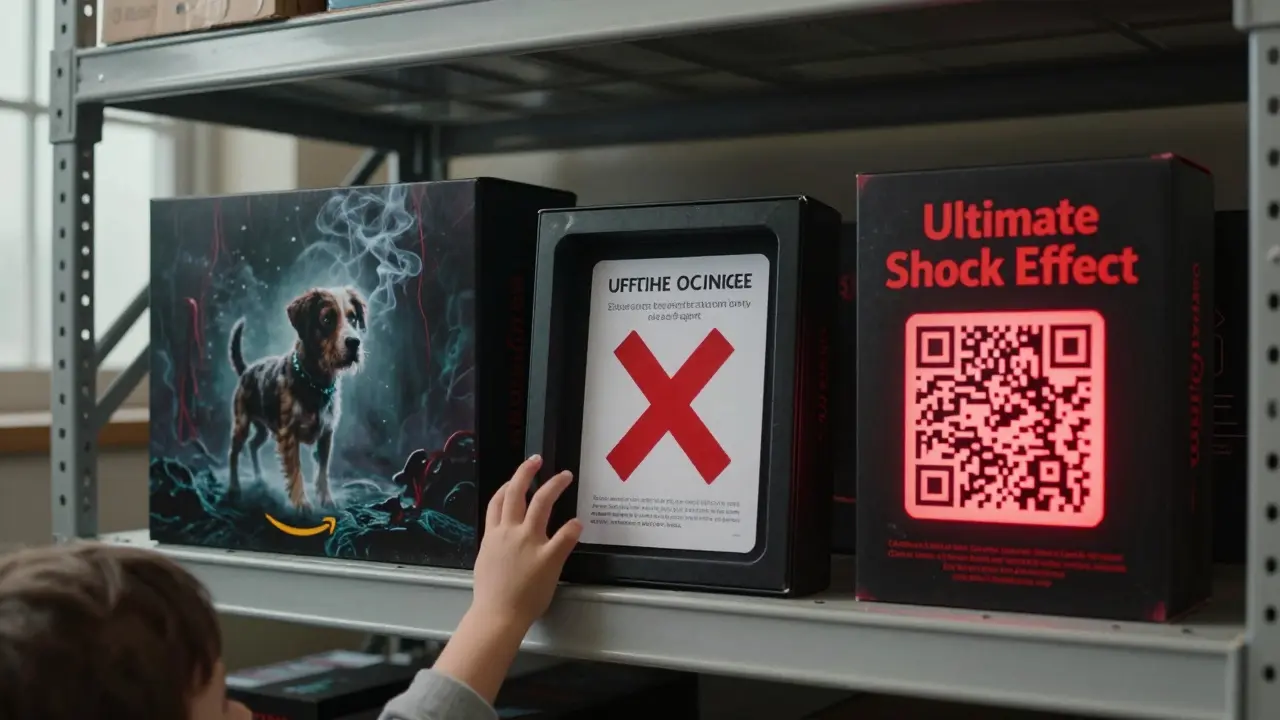
These kits are designed to look like real magic supplies. They come with fake medical charts, printed obituaries, and audio files of crying children. Some even include QR codes that lead to fake hospital websites. The packaging often uses phrases like "Ultimate Shock Effect" or "Guaranteed to Break the Room."
Magicians who sell these kits claim they’re just "dark humor." But the victims aren’t laughing. And the people who buy them? Most don’t realize they’re enabling abuse.
What Should You Do If You See One?
If you come across a magic kit or video that uses forbidden techniques, don’t just ignore it. Here’s what to do:
- Don’t share it. Even sharing with a "just for fun" comment helps it spread.
- Report it. On YouTube, use the "Harmful or dangerous content" flag. On Amazon or Etsy, report the product under "Fraudulent or deceptive items."
- Warn others. Comment on the video or listing: "This is unethical magic. It hurts real people. Don’t buy or perform this."
- Support ethical magicians. Look for performers who donate to mental health charities or teach kids how to use magic to build confidence-not fear.
There are thousands of amazing, harmless magic tricks that still amaze without breaking trust. The best magic doesn’t make you feel small-it makes you feel wonder.
How to Spot a Forbidden Magic Kit
Before you buy any magic kit, ask yourself these questions:
- Does it involve pretending someone is sick, dying, or mentally ill?
- Does it use real names, photos, or personal details of real people?
- Is it marketed as "shocking," "terrifying," or "unforgettable"?
- Does the seller avoid explaining how the trick works-claiming it’s "too powerful" to reveal?
- Are children or vulnerable adults the target of the effect?
If you answer "yes" to even one, walk away. Real magic doesn’t need cruelty to be powerful.

What’s the Alternative?
There’s a whole world of magic that builds connection, not fear. Think of tricks that make people laugh at themselves-not at each other. Tricks that teach kids to think critically. Tricks that help people feel seen, not exposed.
For example, the "Guess the Card" trick can be used to show how memory works. The "Disappearing Coin" can teach focus and patience. The "Mind Reading" routine can demonstrate how body language reveals thoughts.
Some of the most respected magicians today-like Teller, David Blaine, and Apollo Robbins-built careers on wonder, not trauma. Their magic doesn’t need to hurt anyone to leave you speechless.
Final Thought: Magic Is a Gift, Not a Weapon
Every magician starts with a simple goal: to amaze. But magic, like any tool, can be twisted. A knife can carve a statue or cut a throat. A flashlight can guide someone home or blind them. Magic is no different.
The real test isn’t whether you can fool someone. It’s whether you should.
Are all magic kits dangerous?
No. Most magic kits are harmless and designed for fun and learning. Brands like Penguin Magic, Vanishing Inc., and Theory11 sell kits that teach sleight of hand, mentalism, and illusions without exploiting people. Look for kits labeled "family-friendly," "educational," or "ethical magic." Avoid anything that involves fake illness, death, trauma, or personal secrets.
Can I get in trouble for performing a forbidden trick?
Yes. Performing tricks that fake medical conditions, death, or trauma can lead to civil lawsuits, criminal charges, or bans from performance venues. In the U.S., Canada, and the UK, several magicians have been prosecuted under fraud, emotional distress, or child endangerment laws. Even if you didn’t mean harm, the law focuses on the impact-not the intent.
Why don’t more magicians speak out about these tricks?
Many do-but they’re often drowned out by viral content. Social media rewards shock, not ethics. Magicians who speak up risk losing followers or being called "boring" or "too serious." But organizations like the Magic Circle and the Society of American Magicians have issued public statements condemning these practices. Ethical magicians are speaking up more now, especially after high-profile cases in 2023 and 2024.
What’s the difference between dark humor and forbidden magic?
Dark humor targets absurdity, not pain. Forbidden magic targets vulnerability. A joke about a magician losing his wallet is funny. Making a widow believe her husband’s ghost is asking for money is not. The line is clear: if the trick relies on someone’s real suffering to work, it’s forbidden.
Where can I find ethical magic kits for beginners?
Start with Penguin Magic’s "Beginner’s Ethical Magic" pack, which includes a guide on performing with respect. Vanishing Inc. offers the "Mind and Magic" series, focused on psychology and fun, not fear. Look for kits that include a code of ethics or mention mental health awareness. Avoid any kit that promises "shock value" or "unbelievable reactions"-those are red flags.
Next Steps: Choose Wonder Over Fear
If you’re thinking about buying a magic kit, skip the ones that promise to break hearts. Instead, pick one that teaches you how to make someone smile without tricking them into tears. Magic doesn’t need cruelty to be memorable. The best illusions leave people feeling lighter-not broken.
Karl Fisher
January 15, 2026 AT 06:34Look, I get it - magic should be wonder, not trauma. But let’s be real, the internet turned everything into a moral panic. A guy makes a kid think his dog vanished? Big deal. Kids bounce back. This whole ‘forbidden magic’ thing feels like someone trying to sanitize fun out of existence. Where’s the edge? Where’s the risk? Magic used to be dangerous. Now it’s a TED Talk with playing cards.
And don’t even get me started on ‘ethical magic kits.’ Next they’ll be requiring background checks to buy a sponge and a quarter.
Buddy Faith
January 16, 2026 AT 01:05Scott Perlman
January 17, 2026 AT 07:39Michael Gradwell
January 19, 2026 AT 01:47Flannery Smail
January 20, 2026 AT 06:28Emmanuel Sadi
January 20, 2026 AT 20:28Nicholas Carpenter
January 21, 2026 AT 05:26There’s a difference between shock and cruelty. One wakes you up. The other breaks you.
I used to do stage magic for kids. One time I made a child think his stuffed bear vanished. He cried. I stopped. I apologized. I gave him a new bear. Then I taught him how to do the trick himself.
That’s magic. Not fear. Not manipulation. Just care.
Don’t let the loudest voices make you forget that.
Jess Ciro
January 22, 2026 AT 07:08saravana kumar
January 22, 2026 AT 12:52Tamil selvan
January 23, 2026 AT 07:10Thank you for writing this with such clarity and compassion.
Too often, we forget that magic is not about control - it’s about connection. When a trick causes pain, it stops being magic and becomes exploitation.
I’ve taught children’s magic for over 15 years. Every trick I use is chosen because it builds confidence, not fear. I’ve seen shy kids become leaders because they learned to hold a card with pride - not because they made someone cry.
Please, if you’re considering a magic kit - ask yourself: Will this make someone feel seen? Or will it make them feel small?
Choose wonder.
Mark Brantner
January 25, 2026 AT 03:06Kate Tran
January 25, 2026 AT 20:46amber hopman
January 26, 2026 AT 02:16I get why people are upset. But here’s the thing - most people who buy these kits don’t realize the harm. They think they’re being edgy. They don’t know the psychology behind it.
What if we didn’t just report these things… but also created better alternatives? Like, what if we made kits that taught kids how to recognize manipulation through magic? Turn the trick into a lesson?
Maybe the answer isn’t banning - it’s educating.
Jim Sonntag
January 26, 2026 AT 18:46Deepak Sungra
January 27, 2026 AT 15:02Let’s be honest - this whole thing is performative outrage. The same people screaming about ‘forbidden magic’ are the ones who binge-watch horror content, post trauma porn on Instagram, and laugh at viral videos of people falling off skateboards.
Magicians are just the easiest target because they’re visible and harmless.
Where’s the outrage for the TikTok influencers who make kids believe they’re ugly? Or the therapists who use ‘guided visualization’ to implant false memories?
Don’t pretend you care about ethics. You care about feeling morally superior.
Also - I bought the ‘Cancer Diagnosis’ card deck. It’s hilarious. I used it on my boss. He cried. Then he laughed. Then he bought me lunch. So… yeah. Magic works.
But I guess that’s not the point, is it?