
People often ask if there’s a real magic school-like Hogwarts, with flying broomsticks and spells written in ancient runes. The short answer? No. But that doesn’t mean magic isn’t taught. In fact, the best magic in the world isn’t about wands or potions. It’s about skill, timing, and psychology-and it’s learned in places far less glamorous than a castle tower.
There’s No Hogwarts, But There Are Real Magic Classes
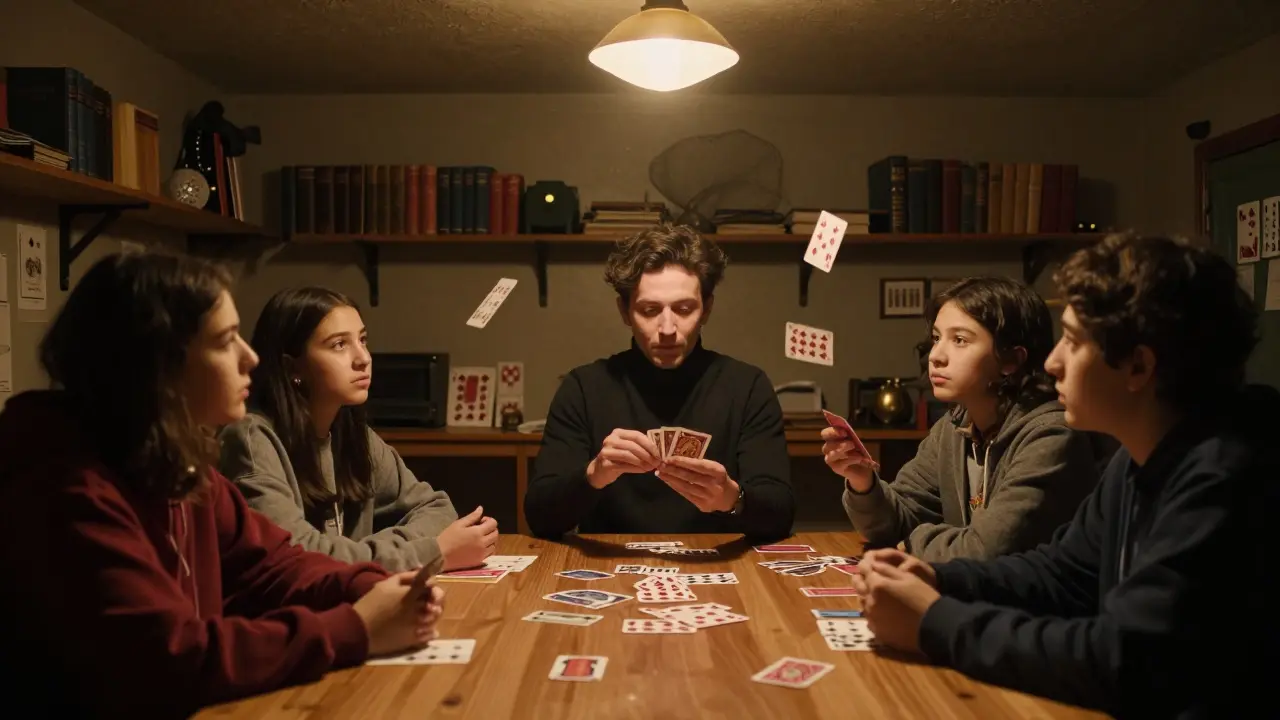
You won’t find a magical portal in downtown Los Angeles, but you will find a small, unmarked door leading to a basement classroom where a man in a turtleneck teaches card manipulation to a group of wide-eyed students. This isn’t a movie set. It’s the Magic Castle’s Junior Program, one of the few places in the world where kids and teens learn real magic from professional magicians.
Magicians don’t learn spells. They learn misdirection. They study how the human brain fills in gaps, how attention works, and how to control it. The best card trick isn’t about sleight of hand-it’s about knowing when to look away. That’s why top magicians spend years studying psychology, not just practicing flips.
How Real Magic Training Works
Real magic schools don’t exist as institutions like universities. Instead, magic is passed down through mentorship, workshops, and private clubs. The International Brotherhood of Magicians (IBM) and the Society of American Magicians (SAM) have been running formal training programs since the 1920s. These aren’t online courses with quizzes-they’re hands-on, in-person sessions where you perform for peers and get brutal, honest feedback.
Here’s how it usually goes:
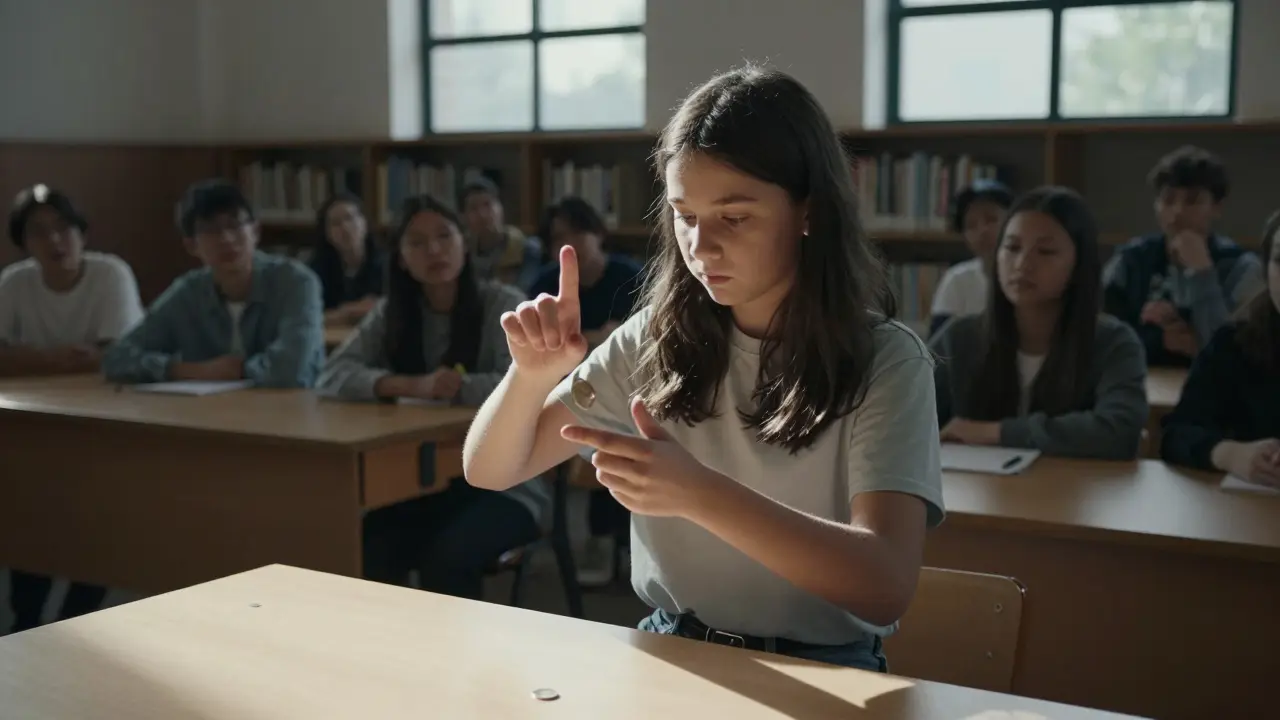
- You start with a basic trick-say, making a coin disappear.
- You practice it 100 times in front of a mirror.
- You perform it for a friend and watch their eyes.
- You’re told, "You moved your left shoulder too early. They saw it."
- You do it again. And again. For months.
There’s no diploma. No degree. Just a handshake from a master magician who says, "You’re ready."
What You Actually Learn
Forget levitation. Real magic training focuses on:
- Subtle body language-how a glance, a breath, or a pause can control what someone notices.
- Timing-the difference between a trick that works and one that flops is often 0.3 seconds.
- Storytelling-the best magic isn’t about the method. It’s about the story you tell while doing it.
- Reading people-a good magician can tell if you’re skeptical, bored, or amazed before you even react.
One magician in New York teaches a class called "The Art of the Lie." It’s not about deception-it’s about understanding how people believe things. His students learn how to build trust, then gently break it, then rebuild it again. That’s the secret to magic: it’s not about fooling people. It’s about letting them fool themselves.
Where to Find Real Magic Education
If you’re serious about learning, here’s where to look:
- Local magic clubs-almost every major city has one. They meet monthly. You don’t need to be good. You just need to show up.
- The Magic Castle (Hollywood)-if you can get in (membership required), you’ll find workshops led by legends like David Roth and Ricky Jay.
- Online apprenticeships-some magicians offer 6-month mentorship programs. These cost $500-$2,000, but they’re the closest thing to Hogwarts.
- Workshops at conventions-events like MagicCon or The Magic Symposium bring together hundreds of performers. You can sit in on a 90-minute masterclass on palming coins.
One student, 17-year-old Maya from Chicago, started by watching YouTube tutorials. She joined her city’s magic club. Six months later, she performed at a local library. A year after that, she was invited to teach a beginner class. She didn’t learn magic. She learned how to think.
Why People Think Magic Is Fake
Most people think magic is either real (supernatural) or fake (cheating). That’s the wrong frame. Magic isn’t supernatural. It’s not cheating. It’s perception engineering.
Think about it: a magician doesn’t make a card vanish. He makes you think it vanished. He uses your own brain against you. Your brain fills in the missing piece. That’s why the same trick works on adults and kids alike. It’s not magic-it’s human nature.
The best magicians don’t hide their secrets. They hide how they use them. That’s why you’ll never see a magician explain how they did it on stage. But if you ask them after the show? Many will show you. Not because they’re generous. Because they want you to understand how much work it took to make it look effortless.
Can You Learn Magic on Your Own?
Yes-but it’s harder. Self-taught magicians often get stuck on the same 3 tricks for years. They never learn the deeper skills: how to handle a nervous audience, how to recover from a mistake, how to make silence part of the act.
One trick I’ve seen fail over and over: the classic "three-card monte." People spend months learning the moves. But they never learn how to talk to the person watching. They don’t know that the best moment isn’t the reveal-it’s the second before, when the audience leans in, holding their breath. That’s the magic. Not the cards. The pause.
Learning alone means you miss feedback. And feedback is everything.
What Magic Teaches You About Life
There’s a reason why so many top magicians also work in advertising, psychology, or sales. Magic teaches you how people think. How they decide. How they lie to themselves.
Learn magic, and you’ll start noticing things:
- How a salesperson uses a pause to make you feel like you’re making a choice.
- How a friend’s glance tells you they’re hiding something.
- How a politician’s smile doesn’t reach their eyes.
Magic isn’t about tricks. It’s about awareness. It’s about paying attention to what others ignore.
That’s the real magic.
Is there a real magic school like Hogwarts?
No, there isn’t a magical castle with flying classrooms or spellbooks. But there are real places where people learn magic from professional performers-like the Magic Castle in Hollywood, local magic clubs, and mentorship programs run by veteran magicians. These aren’t fantasy schools. They’re serious training grounds where you learn misdirection, psychology, and performance-not spells.
Can you learn magic without joining a club?
You can learn basic tricks from YouTube or books, but you’ll hit a wall. Without feedback, you won’t know if your timing is off, your body language is giving away the secret, or your story isn’t holding attention. Real growth happens when you perform for others and get honest critiques. That’s why joining a local magic club-even once a month-makes all the difference.
How long does it take to get good at magic?
It takes about 6 months of consistent practice to perform a single trick smoothly in front of strangers. But becoming truly skilled-where your performance feels effortless-takes years. Most top magicians spend 10+ years refining 3 or 4 routines. Magic isn’t about learning a hundred tricks. It’s about mastering a few until they feel like second nature.
Do magicians ever reveal how tricks work?
They rarely do on stage-that’s the point of the show. But many will explain the method to someone who shows genuine interest and respect. Magicians aren’t guarding secrets because they’re selfish. They’re protecting the experience. Once you know how it’s done, the wonder fades. The real magic is in the mystery, not the method.
Is magic just about hand movements?
No. Hand movements are just the tool. The real magic is in the story, the timing, the silence, and how you make someone believe something that didn’t happen. A great magician can make a coin vanish with one glance. A bad one can mess up a complex move and still fail because the audience didn’t care. Magic is psychology first, technique second.
Are there magic schools for kids?
Yes. The Magic Castle in Los Angeles runs a junior program for teens. Other cities have magic clubs that welcome young students. Some even offer summer camps. These programs focus on building confidence, creativity, and communication-not just tricks. Kids who learn magic often become better speakers, listeners, and thinkers.
Dmitriy Fedoseff
February 20, 2026 AT 20:30Real magic isn't about wands or spells-it’s about the architecture of belief. You don’t need a castle to teach people how to see what isn’t there. The real enchantment is in the silence between breaths, in the way a glance can make someone doubt their own eyes. That’s not trickery. That’s anthropology. And yes, it’s taught. In basements. In back rooms. In places where people care more about the feeling than the method.
Magicians don’t hide secrets because they’re greedy. They hide them because wonder is fragile. Once you know how the bridge is built, you stop looking at the river. That’s the tragedy of modern life-we’ve turned mystery into a bug to be patched, not a feature to be cherished.