
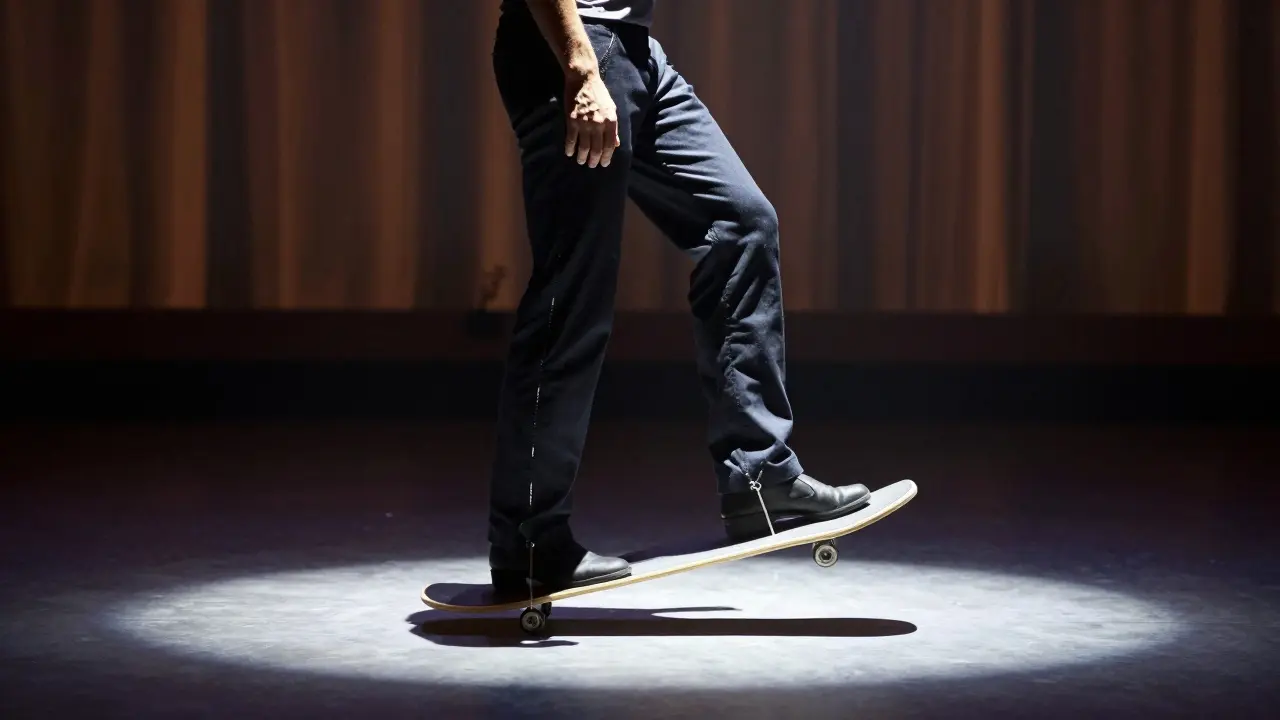
Ever seen a magician float in midair like they’re defying gravity? It’s one of the most jaw-dropping illusions in magic - and yes, you can learn how to do it. Not with wires, not with drones, and not with CGI. Real levitation magic relies on clever body positioning, timing, and a few simple tools you can buy in a basic magic trick kit. This isn’t about supernatural powers. It’s about physics, misdirection, and practice.
What You Actually Need
You don’t need a $500 stage rig to make someone look like they’re floating. Most beginner levitation tricks use a small, lightweight platform called a levitation board or phantom stand. These are sold in magic trick kits designed for close-up or stage performances. They’re usually made of carbon fiber or lightweight aluminum, weigh less than 2 pounds, and fold into a carrying case no bigger than a textbook.
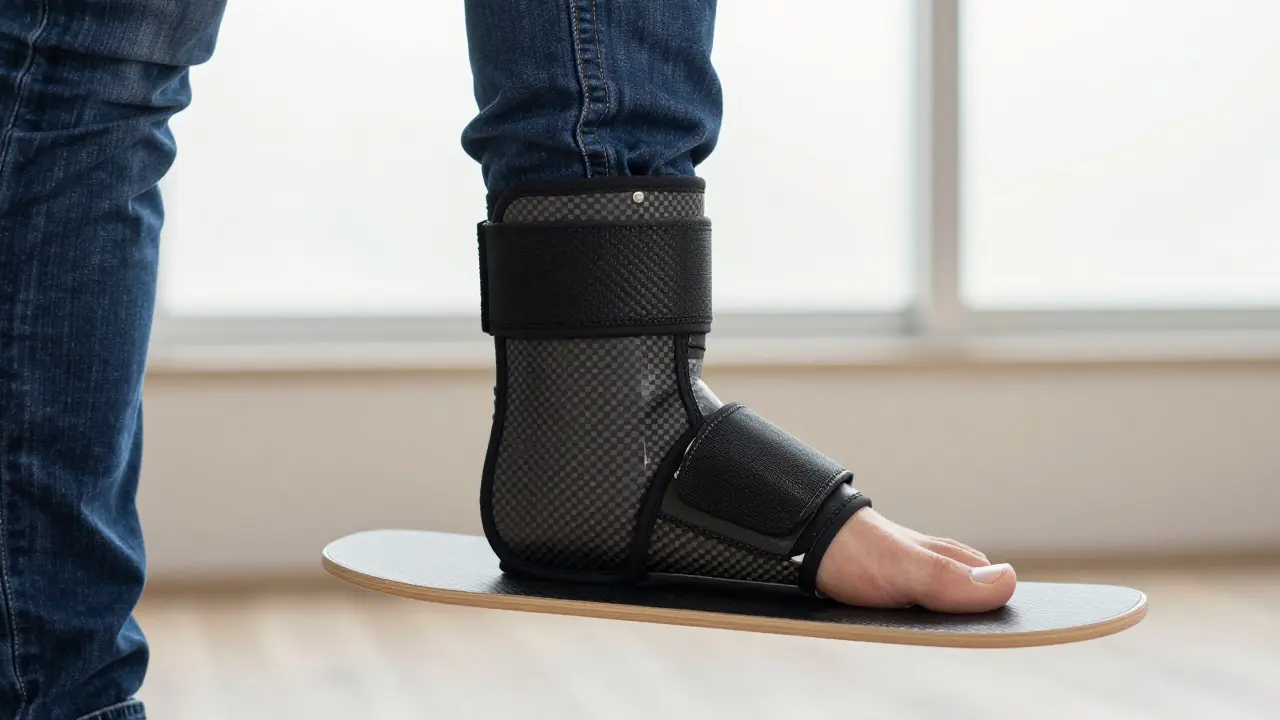
The key is the hidden support. The board has a thin, rigid rod that connects to a shoe or boot worn by the performer. When you stand on it just right - with one foot slightly forward and the other angled back - the rod disappears under your clothing. The audience sees only your body, not the mechanism. That’s the whole secret.
Popular kits like the Master Levitation System or Classic Floating Man Kit come with:
- A foldable levitation platform
- A reinforced ankle brace with a hidden attachment slot
- A training guide with step-by-step photos
- A practice mat to help you build balance
These kits cost between $45 and $80. No need to spend more unless you’re building a full stage show.
Step-by-Step Setup
Before you even try to float, you need to get the gear right. Here’s how to set it up:
- Put on the ankle brace. It should fit snugly around your calf, not your ankle. The attachment point faces outward, toward your side.
- Attach the levitation board to the brace. There’s usually a snap or magnetic lock. Test it by tugging firmly - if it moves, it’s not secure.
- Wear loose-fitting pants. Baggy jeans or dark trousers work best. Avoid stripes or patterns - they give away the edge of the board.
- Put on flat shoes. No heels. No boots with thick soles. The board needs to rest flush against your foot.
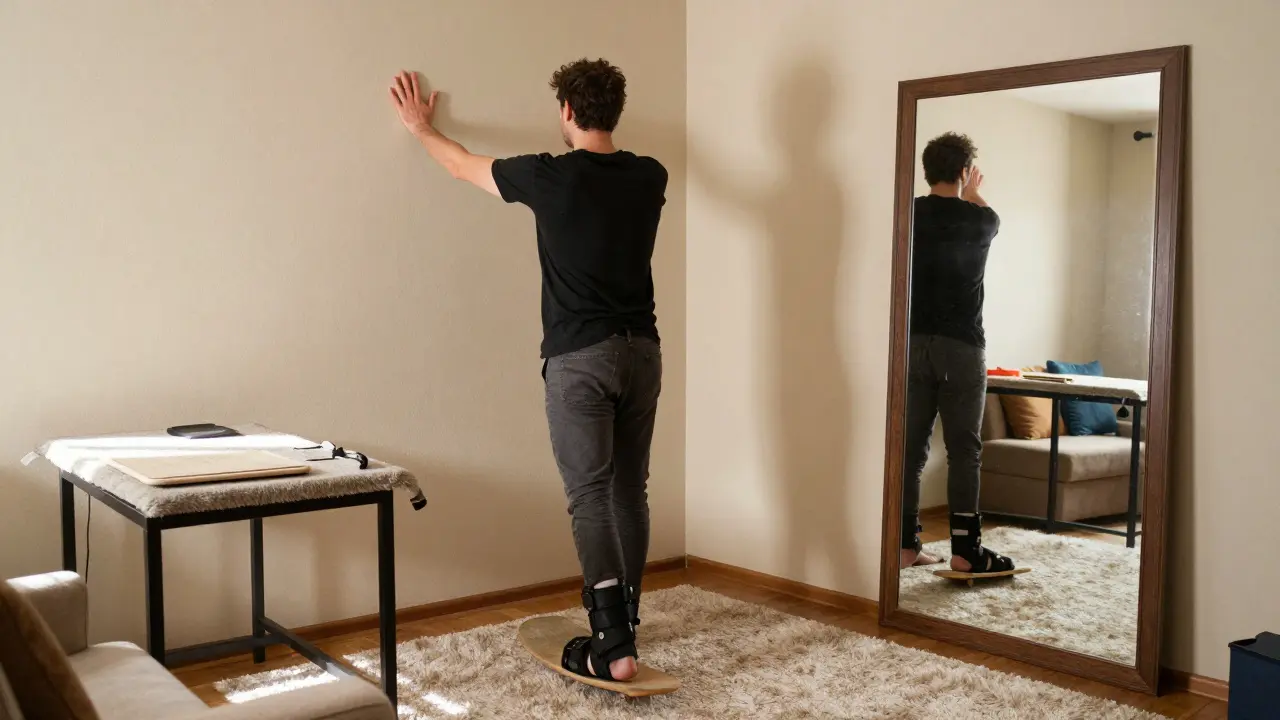
- Practice standing on the board while holding onto a wall. Get used to how your weight shifts when the board lifts.
This setup takes less than five minutes. But don’t rush. If the board slips, you’ll fall. And trust me - falling mid-levitation is not impressive.
How to Perform the Levitation
Now that the gear is ready, here’s how to make it look real.
Start by standing sideways to your audience. Place your feet shoulder-width apart. The foot with the board should be slightly behind the other. Keep your weight on the back foot - the one without the board. This keeps the levitation platform hidden under your pant leg.
Slowly lift your front foot. Not all the way. Just enough to break contact with the ground. Your body should tilt forward slightly, like you’re reaching for something. This shift hides the fact that your front foot isn’t touching anything.
As you lift, raise your arms slowly, palms up. This draws attention away from your legs. People look at hands more than feet. Keep your head turned slightly toward the audience. Don’t stare at the ground. Look confident. Even if you’re nervous.
Hold the position for 3-5 seconds. That’s long enough to shock people. Then, gently lower your front foot back down. Don’t slam it. Ease it back. The whole move should feel smooth - like you’re floating down, not stepping.
Practice this in front of a mirror. Watch how your legs look from the side. If you see the edge of the board, adjust your pant leg. If your knee bends too much, you’re putting too much weight on the front foot. Keep it light.
Common Mistakes and How to Fix Them
Most people fail at levitation because they rush or misalign their body. Here are the top three mistakes:
- Wearing tight pants. Solution: Always use dark, loose fabric. If you’re unsure, test it in dim lighting. If you can see the outline of the board, it’s too obvious.
- Looking down. Solution: Practice keeping your gaze steady on a spot across the room. Your eyes sell the illusion. If you look at your feet, the audience will too.
- Moving too fast. Solution: Slow everything down. A levitation that takes 8 seconds feels more magical than one that takes 2. People need time to process what they’re seeing.
Another big mistake? Performing in front of mirrors or glass. The reflection gives away the board’s position. Always check your performance space before you start. If there’s a window behind you, move. If there’s a shiny floor, cover it with a rug.
Where to Practice
You don’t need a stage to get good. Start in your living room. Then move to a bedroom with a closed door. Once you can do it without stumbling, try it in front of one person. A friend. A sibling. Someone who won’t laugh.
Record yourself. Not for YouTube. Just to watch your posture. You’ll catch things you can’t feel - like how your shoulders slump, or how your knee juts out. Fix those before you perform for a crowd.
Pro tip: Practice barefoot on carpet. It helps you feel the board’s position without slipping. Once you’re confident, put your shoes back on.
Why This Trick Works
It’s not magic. It’s psychology.
Our brains are wired to assume that if someone’s feet are off the ground, something must be holding them up. But we don’t look for the right thing. We look for wires, strings, or platforms. We don’t expect a thin rod under a pant leg. That’s the gap the trick exploits.
Also, people don’t notice small movements. If you shift your weight by half an inch, they think you’re standing normally. That’s why timing matters. Lift too fast - they see the motion. Lift too slow - they think you’re stuck.
The best levitation tricks happen when the audience thinks they saw something impossible. But they didn’t. They just didn’t look where they should have.
What Comes Next
Once you’ve mastered the basic levitation, you can layer on more. Add a hat that floats above your head. Or have someone else sit on the board while you hold their hand. These variations use the same base mechanism but change the presentation.
Some magicians combine levitation with lighting. A dim spotlight from below makes the board look like smoke. Others use sound - a soft chime as the lift begins - to distract the audience.
But don’t rush. Master the core trick first. Do it 50 times. Perfect the stance. Nail the timing. Then add bells and whistles.
Final Tip: Don’t Explain It
Never tell anyone how it’s done. Not even your best friend. Magic dies when you reveal the secret. If someone asks, smile and say, “I’ll show you next time.”
And if they press? Say, “I’ve been practicing this for years. You’d be surprised how hard it is to make gravity take a vacation.”
That’s all you need. No secrets. No magic wands. Just a little gear, a lot of practice, and the confidence to make people believe the impossible.
Can you do levitation without a magic trick kit?
Not really. There are no reliable methods that work without a hidden support system. Some people claim they can levitate using posture alone - but those are either illusions filmed with camera tricks or hoaxes. The only safe, repeatable way to levitate in front of a live audience is with a proper levitation board and ankle brace from a magic trick kit. Anything else won’t hold up under scrutiny.
How long does it take to learn the levitation trick?
Most people get the basics down in 3-5 days with 20 minutes of daily practice. But mastering the smoothness, timing, and confidence takes 2-3 weeks. You need to train your body to move without thinking. That’s why the best performers practice every day, even if it’s just for five minutes.
Is the levitation trick safe for kids?
Yes, but only with adult supervision. The ankle brace and board are lightweight, but balance is still tricky. Kids under 12 should not use the full setup without help. Some kits are designed specifically for children - with softer materials and lower height limits. Always check the manufacturer’s age recommendation before buying.
Can you levitate more than one person?
Not with a beginner kit. Professional levitation illusions that lift multiple people use heavy-duty metal frames, hidden platforms, and assistants. These setups cost thousands of dollars and require a team to operate. Stick to solo levitation if you’re using a standard magic trick kit. It’s impressive enough.
What’s the difference between levitation and floating?
In magic, they’re the same thing. But technically, levitation means rising from a standing position with no visible support. Floating usually refers to staying suspended in place - like a person sitting in midair. Most beginner tricks are levitations, not full floating. The floating effect requires more complex rigging and is rarely done outside of stage shows.